
https://pagead2.googlesyndication.com/pagead/js/adsbygoogle.js?client=ca-pub-4000887400212447
New routines, old stories, art, walking and the first signs of autumn
September has always felt like a month of possibility to me.
Summer isn’t quite over, but autumn is beginning to make its presence felt. The evenings draw in, black boots come back out, routines return and suddenly there seems to be a little more time to settle down with a book, a television series or a good walk.
This month on alisonlittle.blog, I’ve been looking at why September feels so special, alongside feminism, forgotten stories, childhood, friendship, art, heritage and a few walks through the woods.
Here’s what I’ve been writing about.
The Best Things About September

September is one of the most underrated months of the year.
It’s the month of fresh starts without quite having the pressure of January. Summer clothes gradually give way to autumn fashion, cosy evenings return and social calendars begin filling up again.
There are seasonal foods to enjoy, new hobbies to start and the familiar rhythm of the back-to-school period — even if you’re long past school yourself.
And there are practical pleasures too. Woodland walks become more enjoyable as the summer pests disappear, while our four-legged friends can benefit from a little extra attention to their skin and coats as the seasons change.
For me, September is the perfect bridge between the energy of summer and the comfort of autumn.
Read: The Best Things About September: Why This Month Feels So Special
Gloria Steinem Dies at 92

This month I also looked back at the life and legacy of Gloria Steinem, the pioneering feminist, journalist and activist.
From her undercover investigation as a Playboy Bunny to her role in launching Ms. magazine, Steinem spent decades challenging sexism and campaigning for women’s rights.
But looking back at her career also raises a bigger question: how much has really changed since the 1960s?
Her story provides an opportunity to reflect not only on the achievements of second-wave feminism, but also on the issues that remain relevant today.
Read: Gloria Steinem Dies at 92: Remembering the Feminist Icon Who Changed Women’s Lives
Walking Epping Forest in Search of Dick Turpin’s Cave

September was also a month for getting out into the woods.
Austin and I headed into Epping Forest, walking towards Loughton Camp in search of the legendary hideout associated with Dick Turpin.
The walk takes us through ancient woodland, winding paths and some fascinating history.
But there was one important question:
Did we actually find the cave?
Read: Walking Epping Forest in Search of Dick Turpin’s Cave
I Must Be Miss Liverpool

September also gave me the opportunity to revisit some of my own fiction.
I Must Be Miss Liverpool is a satirical piece of flash fiction that was performed at The Athenaeum during LightNight 2019.
It follows a young beauty-pageant finalist whose desire for success, celebrity and status becomes increasingly obsessive.
Behind the humour are questions about beauty, ambition, celebrity culture and how far we might go to become somebody else.
Read: I Must Be Miss Liverpool
Once, We Were Friends

Another piece of fiction takes us somewhere much more personal.
Once, We Were Friends explores 9/11, memory, grief, betrayal and the changing relationship between Britain and America.
Set on a warm September morning in a student house, it looks back at friendships, the people we lose and the ways that major events can change our understanding of both the world and the people around us.
It asks a simple but difficult question:
What happens to friendship when the world changes?
Read: Once, We Were Friends
1970s: Girls Now Get Wet!

I’ve also been looking back at one of those seemingly ordinary things that can reveal a lot about social change: Ladybird books.
Comparing illustrations from the 1960s and 1970s reveals changing attitudes towards childhood and gender.
The girls who once appeared largely on the side lines are increasingly getting involved — running, swimming, diving and getting thoroughly wet.
It might seem like a small change, but these images tell us something about how expectations of girls were beginning to shift.
Read: 1970s: Girls Now Get Wet! How Ladybird Books Changed the Way We Saw Children
In an Age of AI, Makers Are Still Crafting from Nature

At a time when artificial intelligence is transforming how we create images and ideas, there is something particularly interesting about artists who continue to work with natural, tactile and overlooked materials.
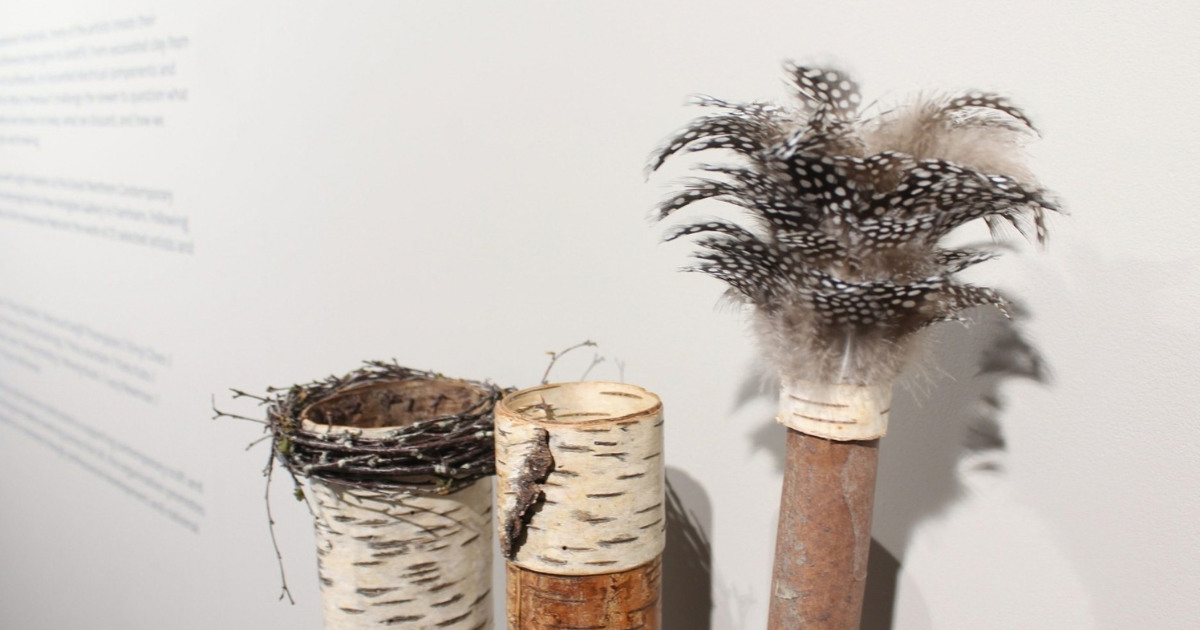
Foraging, What is Precious? at Waterside Arts in Sale brings together work by Jane Bevan, Tracy Caldah and Liz Blyth, exploring materials, nature and the things we might otherwise overlook.
It is a reminder that making something by hand still has a particular kind of value.
Read: In an Age of AI, Makers Are Still Crafting from Nature
Love Locks: Romantic Ritual or Threat to Liverpool’s Heritage?

Love locks have become a familiar sight in cities around the world, with couples attaching padlocks to bridges and railings as a symbol of their relationship.
But what happens when romantic expression meets historic architecture?
In my latest Liverpool piece, I look at love locks, public art, heritage and the way visitors leave their mark on a city.
Rather than simply asking whether love locks should be removed, I explore whether there could be a more creative solution — perhaps somewhere specifically designed for people to leave their locks.
Read: Love Locks: Romantic Ritual or Threat to Liverpool’s Heritage?
Why Choose Real Leather?

alisonlittle.blog September also brought a look at one of those perennial debates around fashion and accessories: real leather versus synthetic alternatives.
From bags and coats to everyday accessories, genuine leather has long been valued for its durability, distinctive character and ability to develop a unique appearance over time.
But questions around sustainability and consumption make the subject more complicated than simply choosing one material over another.
It’s worth considering not just what something looks like when we buy it, but how long it will last and what happens to it afterwards.
Read: Why Choose Real Leather? The Benefits of Genuine Leather Bags, Coats and Accessories
What’s Coming in October?
October is already shaping up to be a busy month on alisonlittle.blog.
First up is National Poetry Day on 1 October, when I’ll be sharing my poem:
The Year the Lamb Bananas Roamed Free
It’s a playful look back at Liverpool’s unforgettable Lambananas and their adventures around the city during the 2008 European Capital of Culture celebrations.
I’ll also finally be revealing the much-anticipated autumn running kit bag — because if you’re going to spend the colder months pounding the pavements, you might as well have the right gear.
There’s also going to be a more serious look at the graphic novel, exploring how the form can tackle complex subjects and function as far more than entertainment for children.
And, of course, there will be more Tracey Emin.
So as September draws to a close and autumn properly arrives, there’s plenty more to look forward to.
See you in October.
Leave a Reply