
Art, walking, places, stories — and a little bit of summer reflection
August has been a month of getting out and about, looking more closely at the places around me, and thinking about how landscapes, towns and people change over time.
From the busy shores of Windermere to the quieter meeting point of art and nature at Manchester’s Whitworth, from Tracey Emin’s enduring connection with Margate to a challenging new piece of fiction, there has been plenty to explore.
And, of course, there has been running — lots of it.
Here’s what I’ve been writing about this month.
Is Windermere Too Busy?

Windermere may be the jewel in the Lake District’s crown, but is it being loved to death?
Is Windermere Too Busy?, I take a realistic look at the pressures facing one of the UK’s most famous landscapes.
Crowded viewpoints at Orrest Head, noisy beaches, traffic and endless queues can make the experience feel very different from the tranquil Lake District many of us imagine.
But this isn’t simply a story about blaming visitors. It is about thinking more carefully about how we travel, where we go, when we visit and what we can do to reduce the pressure on already popular places.
👉 Is Windermere Too Busy? A Realistic Look at Crowds in the Lake District
The Whitworth in the Park

Nico Vascellari
The Whitworth Gallery
You don’t always have to go far to find somewhere that makes you stop and look.
This month I stepped beyond the galleries at The Whitworth and into its Art Garden — a fascinating meeting point between art, architecture and nature.
There’s the striking Ghost Tree, contemporary sculpture, seasonal planting and the distinctive architecture of the Whitworth itself.
It’s a place where the boundaries between gallery and park seem to disappear, and where you can experience art without necessarily stepping inside an exhibition space.
👉 The Whitworth in the Park: Ghost Tree, Sculpture, Gardens and Architecture
A Town That Never Left Her: Tracey Emin and Margate

Return to Margate
Some artists never really leave the places that shaped them.
This month I returned to Tracey Emin and Margate, exploring the powerful relationship between the artist and the seaside town that shaped her childhood and remained part of her identity.
Margate itself has experienced enormous change — from decline to cultural revival — and Emin’s relationship with the town provides another way of looking at that transformation.
It’s a story about memory, place, identity and what it means to come home.
And there’s more Tracey Emin to come in September, when I’ll be looking at her more recent work and exploring some new ideas around her art and what it has come to represent.
👉 A Town That Never Left Her: Tracey Emin and Margate
The Branded Hotel: The Interview Room

August also sees the return of fiction to the blog.
The Branded Hotel: The Interview Room is a dark psychological short story set ten years after the events of The Branded Hotel.
Sal has moved away and begun rebuilding her life. But the police officer who once pursued her has never truly let go.
His career has flourished. His authority gives him access to information, people and influence — and from a distance, he continues to watch.
When Sal’s name unexpectedly surfaces during a police interview, the past begins to collide with the present.
This is a darker piece of writing, exploring police corruption, abuse of power, sexual violence, trauma and institutional failure.
Fictional story. Contains mature themes, including sexual violence, trauma and police misconduct.
👉 The Branded Hotel: The Interview Room – A Psychological Thriller About Police Power and Trauma
Running the North West Coastal Path

The running challenge continues.
Austin, my energetic Jack Russell, and I are now well into our 18-month challenge to complete the North West Coastal Path.
This month’s stage takes us from Lytham to Fleetwood via St Annes and Blackpool, following a coastline that is constantly changing in character.
There are beaches and promenades, seaside resorts and coastal wildlife, regeneration projects and reminders of the area’s past.
Running this stretch isn’t just about covering the miles. It’s about seeing how the Lancashire coast has evolved — and noticing the contrasts between the different towns and communities along the way.
And, naturally, Austin has his own thoughts about the whole adventure.
👉 Running the North West Coastal Path: Lytham to Fleetwood via Blackpool
Frida Kahlo at Tate Modern

Frida Kahlo
August also brought a visit to Tate Modern for Frida: The Making of an Icon.
In my personal review and critical reflection, I look at how Frida Kahlo became one of the world’s most recognisable artists — and at the complicated process by which an artist becomes a cultural icon.
The exhibition brings together paintings, intimate diary drawings and photographs, while also considering the artists and cultural figures influenced by Kahlo.
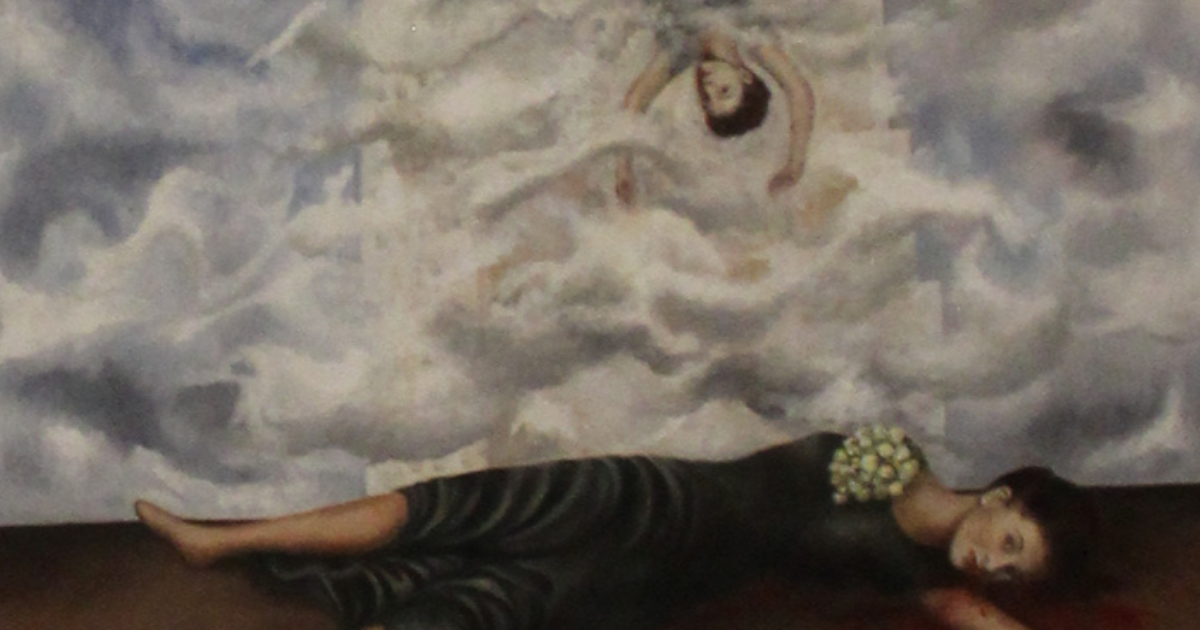
Works including Self-Portrait with Thorn Necklace and Hummingbird and The Suicide of Dorothy Hale provide an opportunity to think about identity, pain, resilience and representation.
The exhibition runs until 3 January 2027, so there is still plenty of time to see it.
👉Frida Kahlo Exhibition Visit and Critical Reflection
Looking Ahead to September — and Autumn

There’s plenty already taking shape for the months ahead.
In September, I’ll be returning to Tracey Emin, but this time focusing on her more recent work and looking at some of the ideas and meanings behind it.
I’ll also be exploring graffiti and what it can tell us about the places we live in — from its origins and rebellious reputation to the way street art has become part of contemporary culture.
And then there’s a rather more nostalgic journey.
I’ll be looking back at leaving home for university in the 1990s — the excitement, uncertainty, freedom and the slightly chaotic reality of setting off with your belongings in tow.
For those of us who went to university back then, the experience could feel very different from today. There were no social media groups helping you meet your new flatmates before you arrived, no endless WhatsApp conversations and no carefully curated online version of university life.
There was, however, plenty of anticipation — and probably far too much stuff packed into the car.
I’ll also be bringing back the autumn running kit, looking at what I’ll be wearing as the seasons change, along with plenty more walking, running, art, travel, culture and personal reflections.
Thank you for reading
As ever, thank you for coming along for the journey.
alisonlittle.blog is a mixture of the things I love — art, walking, running, travel, places, nostalgia, books, culture and stories — with a few observations about life thrown in along the way.
Summer may be drawing to a close, but there’s plenty more to come.
See you in September.
Leave a Reply