
https://pagead2.googlesyndication.com/pagead/js/adsbygoogle.js?client=ca-pub-4000887400212447
If you’re looking for a coastal run that offers more than just distance, the North West Coastal Path from Waterloo to Southport delivers a complete experience. This route takes you through shifting landscapes—from industrial docklands to open beaches, from historic remnants to quiet pine forests—before finishing in the classic seaside town of Southport.
I plan to complete the full 330 miles of the North West Coastline over the next 18 months and I have already completed the Liver Building to Seaforth section.
To make the most of the Sefton Coast section, I split the route into two stages:
Waterloo to Formby and Formby to Southport. Each section has its own distinct feel, making the journey more manageable and far more enjoyable.

Another Place
Route Overview
- 📍 Start: Waterloo Railway Station
- 🏁 Finish: Southport
- 🧭 Terrain: Coastal path, beach, mixed surfaces
- 🚆 Transport: Merseyrail access at Waterloo, Formby, and Southport
- 🐕 Dog-friendly: Yes (lead recommended in busy areas)
Brooks Women’s Caldera deliver confident trail performance with their sturdy, well‑supported soles, making them an excellent choice for uneven terrain such as the paths around sand dunes.

Stage One: Waterloo to Formby
The first stage begins at Waterloo Railway Station, where you can easily pick up supplies along the nearby high street before heading toward the marina.
The marina itself is a relaxed and well-equipped starting point, with water sports, organised swimming sessions, and café facilities. It’s a gentle introduction before the route opens out along the coast.
Even though there are several opportunities to refill along the route, carrying a trail running hydration pack is a smart addition to your kit.

Trail Running Bag
Crosby Beach and Coastal Landmarks
As you move onto Crosby Beach, you’re met with one of the most distinctive features of the route: Another Place. The iron figures stretch out into the sea, appearing and disappearing with the tide, adding a unique atmosphere to the run.
Adapting to the Conditions
This stretch is exposed, and conditions can change quickly. Strong winds often push sand onto the promenade, making it difficult to run. When that happens, dropping down onto the wet sand is usually the best option—it’s firmer underfoot and offers a more natural rhythm.
At Burbo Point, you’ll find toilets and small food stalls, making it a convenient place to pause if needed.
History and Changing Terrain
Heading toward Hightown, the landscape becomes more rugged. Along the shoreline lies debris from the Liverpool Blitz, while inland you’ll find remnants of Fort Crosby.
The terrain here becomes uneven and less defined, so it’s best to ease your pace and focus on footing rather than speed.
Passing Altcar Training Camp, the route improves again, with a smoother stretch running alongside the railway line.
At this point, the POLAR Connected GPS Sports Watch AMOLED is a powerful companion. With built-in GPS navigation and an easy-to-read AMOLED display, it helps you track routes without relying on your phone.

Connected GPS Sports Watch
Finish: Formby Pinewoods
The first stage finishes in Formby Pinewoods. After the exposed coastline, the sheltered woodland feels like a complete contrast—quiet, shaded, and ideal for a natural stopping point.
Stage Two: Formby to Southport
Picking up from Formby, the second stage heads north toward Southport, offering a more open and flowing experience.
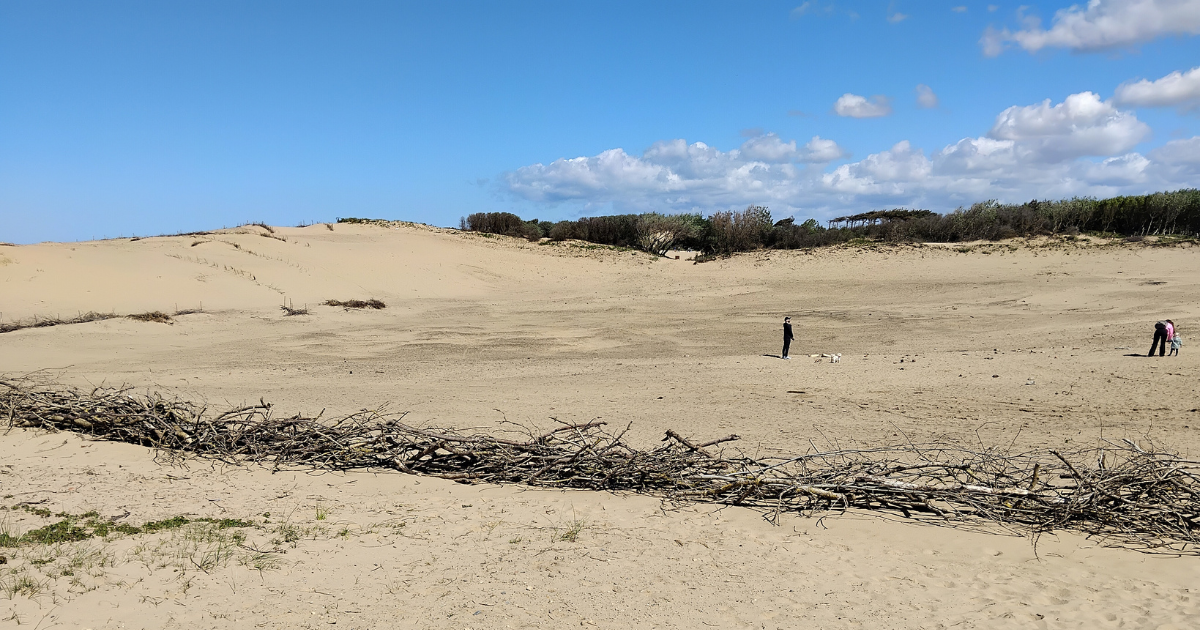
Leaving the pinewoods behind, you return to wide, expansive beaches. This section feels less urban, with fewer interruptions and a greater sense of space.
A Different Rhythm
The terrain here is generally more consistent, allowing for a steadier pace. Depending on tide and weather, you may alternate between firm sand and coastal paths, but the overall feel is smoother than parts of the first stage.
Approaching Southport
As Southport comes into view, the atmosphere shifts once more. The natural coastline gives way to a more traditional seaside setting, with promenades, open spaces, and a sense of arrival at the end of the journey.
With the strong coastal winds around Southport, a running jacket was essential, with waterproofing a welcome bonus.

Running Jacket
Why Split the Route?
Dividing the run into two stages makes a noticeable difference:
- It keeps distances manageable
- Allows time to take in key landmarks
- Makes use of convenient train links
- Helps adapt to the changing terrain
More importantly, it highlights the contrast between the two halves of the route.
- Waterloo to Formby is varied, with changing surfaces, cultural landmarks, and moments of challenge
- Formby to Southport is more open and consistent, offering a smoother and more relaxed finish

Formby – Ainsdale
Final Thoughts
The North West Coastal Path from Waterloo to Southport is more than just a run—it’s a journey through different landscapes, histories, and atmospheres.
By splitting it into Waterloo to Formby and Formby to Southport, you not only make it more achievable but also experience each section in its own right.
It’s not always straightforward, and the conditions can shape the run on any given day—but that unpredictability is part of what makes it memorable.

Approach to Southport
This article contains affiliate links, which means I may earn a small commission if you click through and make a purchase — at no extra cost to you.
Leave a Reply