
https://pagead2.googlesyndication.com/pagead/js/adsbygoogle.js?client=ca-pub-4000887400212447
A Race Day Experience at the London Marathon
The London Marathon is known for its electric atmosphere, months of preparation, and the sheer determination of thousands of runners. For many, race day begins long before the starting gun—with nerves, excitement, and, inevitably, a queue for the toilets.
Picture this: after six months of disciplined training, everything comes down to one morning. You’re standing at the start line, mentally preparing, but first—one practical necessity. A quick trip to the toilet to avoid stopping mid-race. Simple enough, right?
Not quite.
The Queue Problem: A Familiar Frustration
One of the most common complaints at large-scale events like marathons is the imbalance in toilet facilities. At the London Marathon, the queue for women’s toilets can stretch to hundreds of participants, snaking back and forth in a seemingly endless line.
While chatting with fellow runners and watching the queue slowly shrink, something unusual comes into view: a sign reading “Women’s Urinals.”
At first glance, it feels like a mistake. Women don’t typically use urinals—so what exactly is going on?

What Are Women’s Urinals?
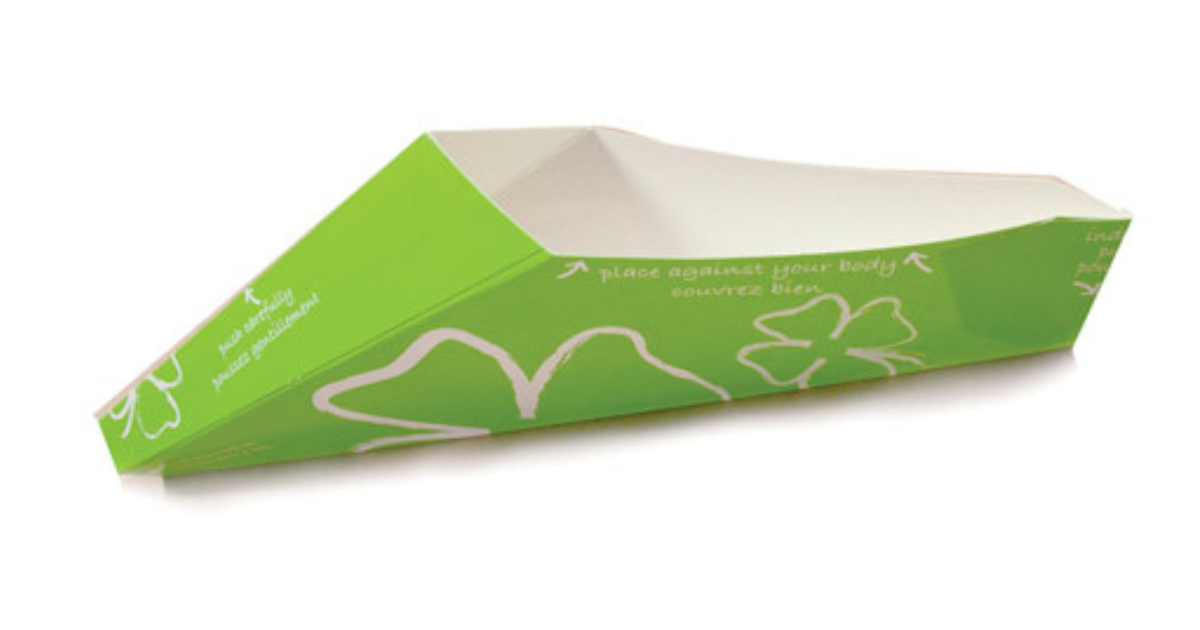
As the line moves forward, the reality becomes clear. Instead of traditional portable toilets, runners are handed small, foldable cardboard devices—designed to allow women to urinate while standing.
These devices aim to replicate the convenience men have long had with urinals. In theory, they promise:
- Faster turnaround times
- Shorter queues
- Greater efficiency at large events
But theory and reality don’t always align.
After struggling with the cardboard device, I later discovered reusable options like the Female Portable Urinal Soft & Flexible. While it’s still not completely intuitive to pee standing up, it’s noticeably easier and more reliable than the cardboard alternative.

Soft & Flexible
The Reality: Practical Challenges
Inside the designated area, the scene is a mix of confusion, urgency, and experimentation. Many women attempt to use the devices, while others hesitate or struggle to make them work effectively—especially under time pressure.
With the race start looming, some runners opt for a simpler solution: abandoning the devices altogether and squatting in designated areas.
The result? A workaround that feels far from the polished solution the concept intended.
Having a compact running belt stocked with essentials like wipes and hand gel would have made a huge difference—next time, I’ll be sure to pack my KIPRUN Running Belt for the race.

Innovation vs. Usability
The idea behind women’s urinals is rooted in equality—addressing long-standing disparities in public sanitation access. However, the execution raises important questions:
- Are these devices intuitive enough for first-time users?
- Do they account for real-world conditions like stress, time pressure, and lack of privacy?
- Is this truly solving the problem, or shifting it elsewhere?
For many, the experience feels less like empowerment and more like an awkward compromise.
A Step Forward or a Step Too Far?
Efforts to innovate in public facilities are important, especially at major events like the London Marathon. Reducing wait times and improving access should be a priority.
However, solutions need to be:
- Practical
- Comfortable
- Inclusive of real user experiences
Without those elements, even well-intentioned ideas can fall short.
For my next race, I’ll be adding anti-chafing cream to my essentials. I might still struggle with the whole standing-up situation, but at least I’ll be able to apply a bit more protection around my groin area before the start.

Final Thoughts
The introduction of women’s urinals at large events highlights a genuine issue—but also underscores the importance of thoughtful design. Innovation should enhance the experience, not complicate it.
For now, the debate continues: are women’s urinals a glimpse into the future of public sanitation, or an idea that needs rethinking?
One thing is certain—when race day arrives, runners want to focus on the finish line, not figuring out how to use the bathroom.
Did you find Alison’s take on the London Marathon and women’s urinals interesting? Running the Smoke brings together 26 firsthand accounts of tackling the London Marathon—from navigating the course to, as highlighted above, even the realities of finding somewhere to pee.

Michael McEwan
This article contains affiliate links, which means I may earn a small commission if you click through and make a purchase — at no extra cost to you.

Leave a Reply to msw blogCancel reply