
https://pagead2.googlesyndication.com/pagead/js/adsbygoogle.js?client=ca-pub-4000887400212447
In today’s increasingly eco-conscious world, fashion is under scrutiny like never before. Once considered essential elements of formal attire, hats are now being questioned: are they timeless style pieces—or outdated, environmentally costly accessories?
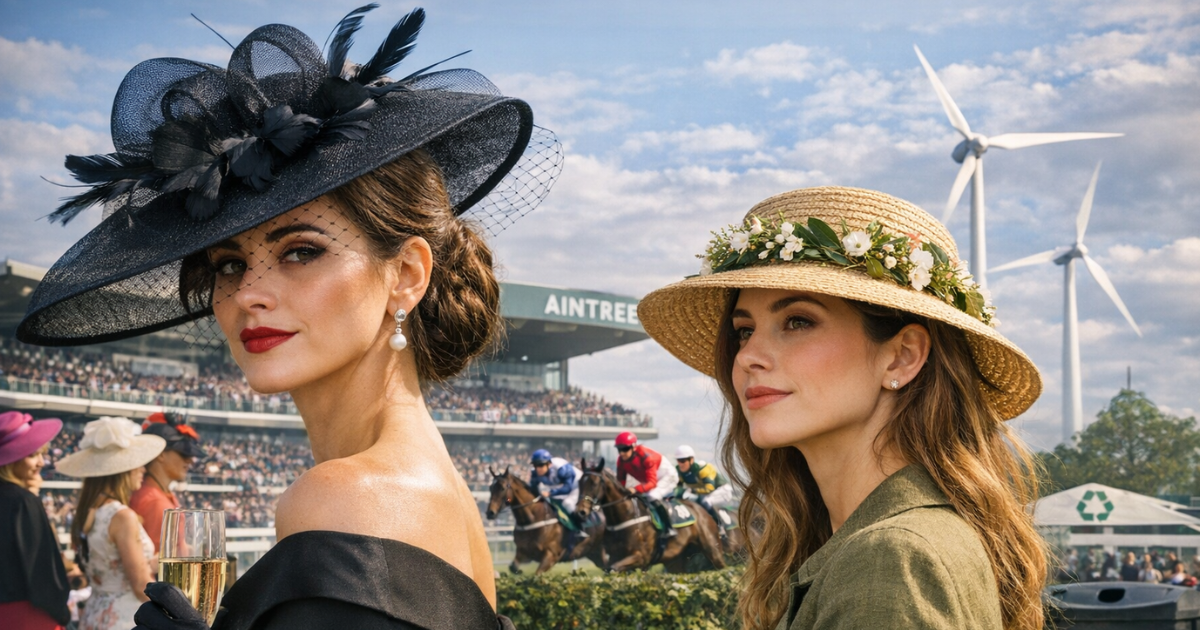
This debate has come into sharp focus with the recent decision at Aintree Racecourse to introduce a “Best Hat” category for Ladies’ Day at the Grand National Festival. For an event that only recently embraced sustainability with a “Best Dressed – Sustainable Style” category, some are asking whether this move signals progress—or a step backward.
The Changing Role of Hats in Modern Fashion
Historically, hats were a staple of formal dress codes. From weddings to race days, the phrase “you need a new hat” was once unquestioned. However, in the 21st century, this expectation feels increasingly outdated.
Hats serve little functional purpose in most formal settings today. Instead, they often act as symbolic accessories—expensive, rarely reused, and resource-intensive to produce. Many end up worn once and then stored away indefinitely, contributing to the growing issue of fashion waste.
Choose Leaf Hair Clips instead. Style them with a glamorous up‑do at your local hairdresser, then wear them again with your everyday hairstyles for a versatile finishing touch.

Set of 3
The Environmental Cost of Millinery
The environmental impact of fashion is well-documented, but accessories like hats are often overlooked. Traditional fascinators and hats can involve:
- Multi-step manufacturing processes
- Use of synthetic materials and dyes
- Energy-intensive shaping techniques involving heat and steam
Studies suggest that the average headwear item can carry a carbon footprint of approximately 5.5 kg CO₂e—equivalent to driving around 150 miles or powering a household for two weeks. For an item worn just once, this raises serious sustainability concerns.

Fashion Headwear
Ladies’ Day: Style vs Sustainability
Ladies’ Day at the Grand National has long been synonymous with glamour, elegance, and bold fashion statements. The introduction of a “Best Hat” award, complete with a luxury spa prize, reinforces the tradition of elaborate dressing.
However, critics argue that this move may undermine recent sustainability efforts. In 2024, Aintree introduced a category encouraging racegoers to wear:
- Vintage outfits
- Rented clothing
- Handmade or upcycled accessories
Despite this, some attendees reportedly viewed second-hand fashion as “second best,” highlighting an ongoing cultural resistance to sustainable style.
Want to try making your own accessories but not sure where to begin? Birmingham’s Creative Craft Show & Sewing for Pleasure is an ideal starting point, packed with stalls full of supplies and hands‑on workshops to help you dive into crafting your own millinery.

Is Tradition Driving the Decision?
There’s also a broader question at play: is the hat category an attempt to preserve the traditional aesthetic of Ladies’ Day?
Without such incentives, would attendees shift toward more casual, practical attire—trainers instead of heels, everyday wear instead of elaborate outfits? The fear of losing the event’s iconic visual identity may be influencing decisions that prioritize appearance over environmental responsibility.

Women in jeans, T‑shirts, and trainers
Sustainable Alternatives: How to Wear Hats Responsibly
For those who still want to embrace the tradition while reducing their impact, there are more eco-friendly options:
Choose Sustainable Materials
- Plant-based fibers like hemp and bamboo
- Natural textiles such as cotton and silk
- Responsibly sourced wool or felt
Opt for Circular Fashion
- Rent hats instead of buying new
- Purchase vintage or second-hand pieces
- Support local artisans creating small-batch designs
Look for Eco-Friendly Production
- Natural dyes instead of chemical treatments
- Minimal processing and handcrafted techniques
The Hepburn Mushroom Hat is a beautifully handmade piece crafted from natural straw. Its neutral tone pairs effortlessly with any outfit and can be easily personalised with a removable embellishment to complement your dress.

The Future of Occasion Wear
The debate around hats at events like the Grand National reflects a larger shift in how we view fashion. As sustainability becomes a priority, traditions are being re-evaluated through a modern lens.
While hats may still hold cultural and stylistic significance, their place in contemporary fashion is no longer guaranteed. The challenge lies in balancing heritage with responsibility—ensuring that style doesn’t come at the expense of the planet.
Naked Fashion expands on the themes in this article, inviting readers to join a growing movement of consumers, creatives, and entrepreneurs using their influence to make fashion more sustainable. Anyone curious about where our clothes come from — or exploring a future in fashion or media — will find practical inspiration and guidance on how to drive meaningful change.

The New Sustainable Fashion Revolution
Final Thoughts
Hats are no longer a necessity, but a choice—and with that choice comes responsibility. Whether the “Best Hat” category represents a celebration of creativity or a step away from sustainability depends on how both organizers and attendees respond.
If wearing a statement piece is unavoidable, opting for handmade, locally sourced, or reusable designs can make a meaningful difference. After all, true style in 2026 isn’t just about looking good—it’s about doing good too.

Aintree
This article contains affiliate links, which means I may earn a small commission if you click through and make a purchase — at no extra cost to you.
Leave a Reply