

https://pagead2.googlesyndication.com/pagead/js/adsbygoogle.js?client=ca-pub-4000887400212447
Working for any employer comes with challenges, but my 18 months at Chums, a Liverpool-based company, exposed me to a level of mismanagement, inconsistency, and unnecessary humiliation that I had never imagined. From inconsistent dress-code enforcement to disproportionate disciplinary action, from unsafe workloads to shocking disparities between UK staff and overseas teams, this is my personal account of what really happened behind the scenes.
This article aims to shed light on a workplace culture that left many employees demoralised, anxious, and constantly fearful of losing their jobs.
A company that gave its UK staff worse conditions than its Global South outsourcing Partner
During training, we learned that Chums outsourced some of its call-handling to a South African partner company. What shocked us was how much better the outsourced team’s working conditions were compared to ours.
- South Africa team’s break allowances:
1 × 30-minute lunch + 2 × 15-minute breaks - Liverpool office break allowances:
1 × 25-minute lunch + 2 × 10-minute breaks
In other words, the Global South team—often assumed by Western employers to tolerate harsher conditions—actually enjoyed longer, fairer rest periods than the UK team. Meanwhile, Liverpool staff were reprimanded and even threatened with warnings for going over a break by a mere 20 seconds.
This early contrast set the stage for the pattern that followed: a workplace culture built on strict control, unpredictable rules, and punishment rather than support.
Interested in buying waterproofs from a South African company which allows for longer breaks and better conditions for their staff? Take a look at Freedom of Movement.

A dress code used as a tool for Humiliation
The day I was pulled into the office for wearing Tailored Shorts
On one of the hottest August days on record—temperatures over 30°C—I cycled to work wearing a pair of smart, tailored shorts teamed with a formal shirt and fitted cardigan. The dress code at Chums was officially “smart-casual,” and my outfit met that description perfectly.
Later that morning, I was called into the office by a manager.
I was told:
- My outfit was “inappropriate.”
- I would usually be sent home to change.
- They would “allow it this time” but I must “never wear them again.”
There was no logical reason. Nothing in the dress code prohibited tailored shorts. Worse still, the rules were applied inconsistently. Later, we received:
- An email with a new dress-code policy
- A second ad-hoc email banning “shorts and tracksuits” on top of what had been stated in the updated dress code policy.
The timing made it obvious the rule existed only when management decided it should exist. What happened wasn’t about clothing—it was about power, inconsistency, and finding ways to shame staff.
Does you workplace have a smart casual dress policy also? Take a look at this great range of shirts from Peregrine.

A deliberately orchestrated act of Humiliation
The worst incident came later, when two managers called me into the office. One spoke. The other observed, clearly positioned to intimidate.
They claimed to have observed me:
- Sneezing
- Followed by “licking something” off my hand
This accusation stunned me. I had been unwell with a chest infection, too frightened to take sick time. I always covered my mouth when sneezing. But they presented the accusation as fact, spoken in a tone designed to degrade.
It was clear the meeting was not about hygiene—it was about humiliation. The scenario had been orchestrated:
- Two managers, instead of one
- Deliberately degrading wording
- Focus on bodily functions
- An accusation difficult to defend without feeling embarrassed
I stayed calm and nodded, agreeing to use hand sanitiser—even though the entire meeting was unnecessary and intentionally demeaning.
The next day, I formally requested a written record of what was said. Unsurprisingly, this did not materialise.
Cathy O’Neil’s ‘The Shame Machine‘ discusses companies which profit from humiliation in greater detail.

A Zero-Tolerance timekeeping policy with no humanity
Chums operated with zero tolerance toward lateness—even a single minute.
Examples included:
1. Weather-related delays
During storm conditions, the roads were icy. When I arrived and struggled to unfreeze my bike lock, I ended up a minute late. I was still pulled aside and warned.
2. Returning from lunch 20 seconds late
Once, I queued at the water cooler behind another colleague. By the time I returned to my desk, I was 20 seconds over my break. I immediately received a message on Teams asking why.
The company expected us to:
- Ring in if we were going to be one minute late
- They ignored logic: making the phone call itself took longer than the lateness
The system wasn’t about efficiency—it was about control.
If you are suffering stress and anxiety from a similar workplace environment, The Loop Journal is a great way of working through matters to engage in constructive self reflection.

An employee culture built on Fear, not Support
Morale at Chums was so low that most employees declined to attend the staff Christmas party, which was widely seen as an event for management rather than the workforce.
Examples of harmful and punitive culture include:
A colleague with caring responsibilities
One colleague cared for her elderly mother. She was given her notice during a period when her mother required extra help. Even after a doctor provided medical evidence, the stress caused her to become too unwell to work.
A long-serving colleague abruptly dismissed
Another colleague, employed for over 5 years, suddenly faced dismissal for GDPR “failures.” Management selectively reviewed her calls until they found enough minor errors to justify termination.
A worker fired for “missing too many calls”
Instead of coaching, support, or warnings, he was simply removed.
Across the board, disciplinary measures were used as a first resort—not a last one.
Need to gain a better understanding of your rights an employee? Reed offers a great course, Know Your Rights, this will take you through the essentials of employment law.
The “Staff Discount” that wasn’t worth taking
Chums offered staff 30% off stock. At first glance, this seemed like a perk. In reality, many products were poor quality:
Bedding set
- Faded dramatically after one wash
- A seam unravelled
- Ended up shoved in a cupboard to be cut into rags
Double hob
- Worked for a few months
- Started tripping household electrics
- Eventually dumped
The “discount” did little to offset the frustration of receiving products that were barely usable.
Looking to order new bedding but want to purchase from a company with better credentials? Take a look at the Ethical Superstores Panda Earth Collection.
Stock Errors That Customers Paid the Price For
Working the inquiry line exposed another problem: Chums expected customers to do all the work—even when the error was the company’s fault.
Example: elderly customer receives the wrong boots
A gentleman ordered men’s brown walking boots. He received red, fur-trimmed ladies’ snow boots.
Instead of issuing an immediate replacement, I had to tell him:
- He must return the incorrect boots to a collection point
- Chums would process the return
- Only then would the correct boots be sent
- Estimated wait time: up to three weeks
We couldn’t override the system—even when the fault was clearly ours. Delivering this kind of news to customers was embarrassing.
Looking for men’s walking boots but want to order for a company who will deliver the correct goods? Take a look at these Muck Boots, there incredibly versatile and great for trekking down country lanes.

Home Working: Outdated Tech and Customer Costs
When Sunday work moved to a home-working model, I opted in. But the tools we were given were shocking:
The laptop
- Extremely old and unstable
- Had to remain plugged in
- Restarted itself often
- Took 5–20 minutes to reboot
- Sometimes couldn’t even type the “@” symbol
Payment processing delays
It could take up to 5 minutes to process payment while customers were charged a premium rate per minute. Managers instructed us to “make chit-chat” until the system caught up.
This meant:
- Customers paid more
- The company profited
- Staff absorbed the blame for delays
The technology was simply not fit for purpose.
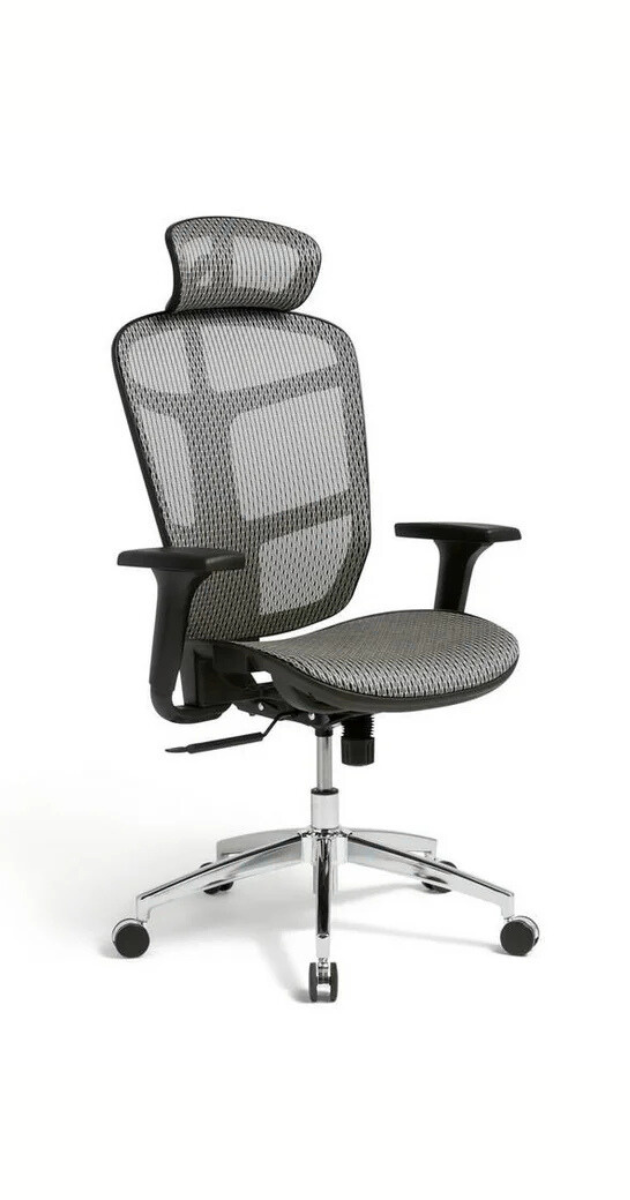
Work from home yourself, Habitat Mesh Office Chair is worth a look.
Sales Pushes and Inconsistent Pricing
After a new system was introduced, prices for add-on items (like belts or batteries) fluctuated randomly:
- Belts could cost £8 in the morning
- £12 in the afternoon
- No logic, no consistency
Eventually, I only offered handkerchiefs because it was the one item with a stable price.
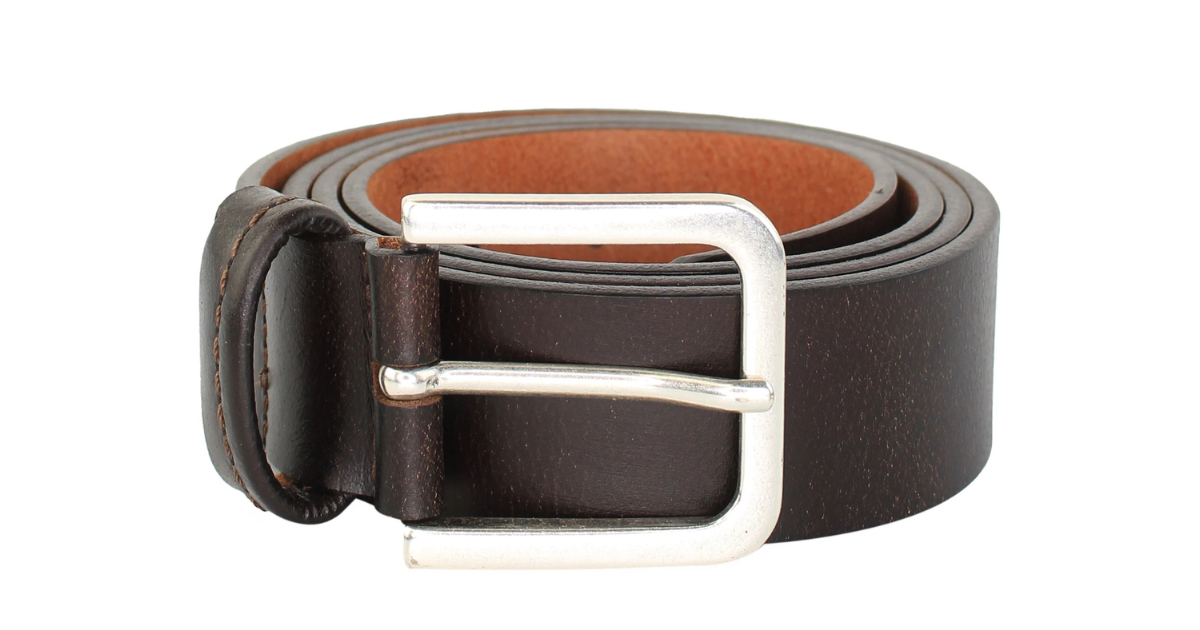
In need of a new belt, but want to order from a company where your not charged more than the person before? Take a look at this quality belt from Timberland.
The Final Straw: Forced to Cycle 12 Miles for My Own Device
Six months earlier, employees were required to install an authenticator app on their personal phones to log into the system.
One Sunday morning, I realised I had forgotten my phone. I explained this and asked for a temporary pass.
Management told me:
- No temporary pass would be provided
- I must cycle home to retrieve my phone
I had already cycled 6 miles to work that morning, and retrieving my phone meant another 12-mile round trip—all because the company required us to use our own device for their login system.
Being ordered to cycle 12 miles for a device the company didn’t even provide was the breaking point.
Conclusion: A Workplace Defined by Control, Not Care
My 18 months at Chums were shaped by:
- Inconsistent rules
- Disproportionate punishments
- Deliberate humiliation
- Poor equipment
- Disregard for employee well being
- Inequality between UK staff and outsourced workers
Employees deserve workplaces built on trust, compassion, and fairness—not fear. My experience at Chums stands as a reminder of how damaging workplace culture can be when those principles are abandoned.
This article contains affiliate links, which means I may earn a small commission if you click through and make a purchase — at no extra cost to you.


 alisonlittleblog
Leave a reply to 🌟 November Round-Up at alisonlittle.blog – News, Reviews, Guides & Stories – alisonlittleblog Cancel reply