

https://pagead2.googlesyndication.com/pagead/js/adsbygoogle.js?client=ca-pub-4000887400212447
“Capturing Autumn” is a striking, socially aware poem that blends the natural beauty of autumn with the stark realities of urban life, poverty, addiction, and the upheaval of the COVID-19 pandemic. Set within the shifting landscape of a Liverpool park, the poem moves from vivid autumn leaves to scenes of homelessness, street drinking, and social decline—before turning toward lock-down, resilience, and the slow re-emergence of community. Through fragmented, observational lines, the poem contrasts seasonal decay with human fragility, creating a powerful reflection on how cities change, endure, and reclaim themselves.
For readers searching for poetry about urban decay, pandemic life, social inequality, or the relationship between nature and the city, Capturing Autumn offers a raw, grounded portrait of modern life. Its imagery of fallen leaves, neglected green spaces, and pandemic-era restrictions highlights both the vulnerability and the resilience found in everyday public spaces. This poem is an evocative read for anyone drawn to contemporary social commentary and place-based writing.
Capturing Autumn
Ballast of the season.
Leaves caught, then let go.
Fall is decreed.
Bittersweet orange, tarnished umber—
a palette dishevelled, reduced.
Once-vivid edges, fertile, fresh,
now dispersed into the grammar of decay.
A grid of paths, geometric, thinning.
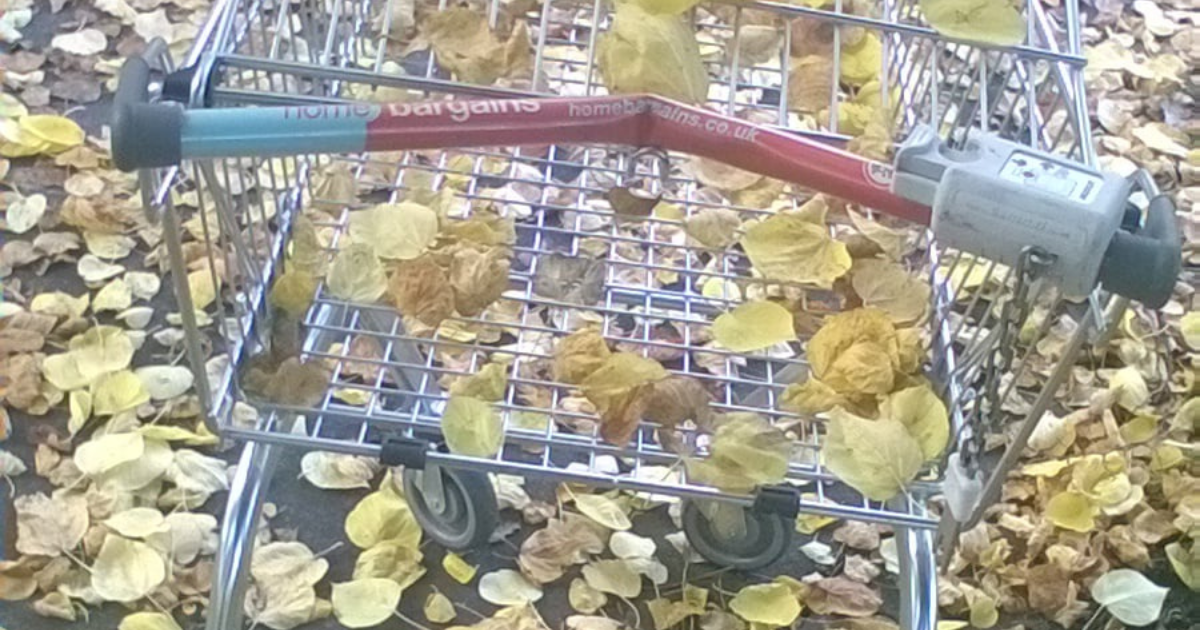
The park—an ashtray of urban green—
stands ruptured,
its iron handle thrust forward,
splintered in small collisions:
bargain chains, discount fronts
lining the city in repetition.
Multi-pack.
Multi-discount.
Multi-consumers,
stretching coins,
pinching pennies to dust.
Leaf-forms flutter
in low-lying windstreams,
descending, cascading:
lines across, lines up, lines down—
all routes, all circuits.
A catchment for endings.
Downward into mulch, into silence.
End of foliage.
End of season.
Frost enrols white.
Hapless.
No evergreen reprieve—
a one-season wonder.
Beautify, age, fall;
finis through downfall.
If urban poetry speaks to you, consider Contemporary Women’s Poetry and Urban Space: Experimental Cities. This study explores the city as an active, transformative presence in the poetry of innovative women writers.
Grassland encompassing.
Authority-mandated green.
A civic offering: respite
from high-rise shadows,
from Victorian terraces,
from the two-up, two-downs.

Ravens pick at remnants—
an empty happy meal,
spoils of divorce,
Saturday’s custody hours.
The field: a stage for fireworks.
Discarded shells strew the paths,
spent prayers blasted upward—
hell toward heaven.
Death-mask trick-or-treaters
once wandered here,
but this year: pandemic bans,
and the goons of heroin
linger instead—pale, malnourished,
faces elongated,
skin tight around bone,
jackets zipped, eyes hollowed
by ghostly toxin.
In tandem, the street drinkers:
early gatherings,
cider of the strongest pour.
Shop-sold solace,
pennies begged from passers-by
heading to work,
students dripping with empathy,
offering coppers
to cans swelling in mud.
Hair matted,
hands shaking—
the frayed threads of society’s edge.
If you’re concerned about your alcohol consumption, check out these recommended alcohol-free alternatives.
Sundown succeeds.
Brasses splay along the streets,
curtailing traffic;
curb-crawlers drift.
A sleight:
more heroin,
more cider,
more degradation—
and with it,
more disappearing.
Lockdown.
A park markedly altered.
A lone sax carries across the air,
open-air practice—
culture eking its way
back to pasture.
Sunday brings gospel:
a singer on the hilltop,
Everton’s apex,
belting witness into the wind—
hope and faith
at a despondent junction.
The park reclaimed.
Exercise prescribed,
one daily allowance.
Paths rehost joggers,
hills become training grounds:
weights out,
rope-lines shaken,
sparring, skipping,
muscle coaxed awake.
Families—single bubbles—
find other ways:
swings taped off,
play rerouted to
ball games,
skates,
scooters,
screeches of pleasure, untethered.
Get started on your own poetry with the LEUCHTTURM Notebook This durable, all-weather notebook features 150gsm wet-strength nautical paper, a water-repellent flexcover, 89 dotted pages —perfect for writing anywhere without feeling like you’re back in the classroom.
Now the leaves diminish.
Winter approaches.
Pandemic winds down.
What will spring deliver?
Families returning
to soft-play centres.
Exercise to gyms.
Saxophone to rehearsal rooms.
Gospel to church pews.
A post-pandemic return:
dog walkers reclaiming pathways;
the goons of heroin,
the drinkers with their gathered hair.
Covid diminished.
Urban sprawl resettles
into its familiar shape.
Alison Little
Still not sure where to start in terms of putting pen to paper? Reed offer a great course on Poetry Writing Techniques for Beginners.

This article contains affiliate links, which means I may earn a small commission if you click through and make a purchase — at no extra cost to you.

Leave a Reply to d.a.simpsonwriterCancel reply