
https://pagead2.googlesyndication.com/pagead/js/adsbygoogle.js?client=ca-pub-4000887400212447
What is Britishness? It is a question that has sparked debate for generations and continues to evolve with modern society. Britishness is a rich tapestry of history, culture, traditions and diversity. It encompasses moments of great pride alongside periods of reflection, from the legacy of the British Empire to the realities of post-colonial Britain.
Today, British identity is shaped not only by our shared heritage but also by the multicultural communities that make the United Kingdom one of the world’s most diverse nations. So, what truly defines Britishness in the 21st century.
Treasures of British History: The Nation’s Story Told Through Its 50 Most Important Documents takes readers on a fascinating journey through Britain’s past, exploring the nation’s rich heritage through the examination of 50 of its most significant historical documents. Each document offers a unique insight into the events, people and milestones that have shaped Britain over the centuries.

Treasures of British History
Symbols That Represent Britishness
When people think of Britishness, certain iconic symbols immediately come to mind. These objects and images have become synonymous with Britain’s identity and heritage.
Some of the most recognisable symbols include:
- The traditional teacup and saucer, representing Britain’s famous tea culture.
- The iconic red post box.
- The classic red telephone box, once a staple of British Telecom.
- The legendary red double-decker bus, still carrying passengers across many cities.
- Umbrellas, reflecting Britain’s famously unpredictable weather.
- The nostalgic image of a village vicar riding a bicycle.
Animals also play an important role in representing Britain. The lion has long symbolised strength, courage and the legacy of the British Empire, while the bulldog became a powerful emblem of resilience during the Second World War, closely associated with Sir Winston Churchill and the nation’s determination.
Other enduring symbols include the Union Jack and the lasting influence of the Arts and Crafts movement, which helped shape British design and craftsmanship.
Fancy stepping back in time and experiencing one of Britain’s most defining moments? Visit the Churchill War Rooms and explore the underground headquarters where key decisions were made during the Second World War. Discover the stories, strategies and sacrifices that helped secure the nation’s freedom and shaped the course of history.

What Does It Mean to Be British?
Being British goes beyond flags, landmarks and traditions. At its heart, Britishness is about identity, belonging and community.
For many, it begins with the idea of home—the places we live, the people we cherish and the communities that shape our lives. Our local towns, villages and cities all contribute to our sense of who we are.
However, British identity is experienced differently by different people. Gender, ethnicity, social class and regional background all influence how individuals connect with the idea of being British.
Questions often arise, including:
- Do women experience Britishness differently from men?
- Do people from ethnic minority backgrounds feel the same connection to British identity as their white neighbours?
- How do working-class perspectives compare with those of the aristocracy?
- Does Scottish identity differ from English identity when discussing Britishness?
- How do Welsh and Northern Irish communities define their place within Britain?
These perspectives highlight that Britishness is not a single, fixed definition but a shared identity with many individual interpretations.
Few things are more closely associated with British culture than tea. The English Tea Shop Organic and Fairtrade Tea Union Jack Gift Tin celebrates this much-loved tradition while embracing modern values. For those who reflect on the colonial history connected with the tea trade, this Fairtrade product offers a more ethical choice, supporting responsible sourcing and sustainable practices.

Organic, Fair Trade
Tea Bags
Britishness in a Modern, Diverse Society
Modern Britain is built upon diversity. Centuries of history, immigration, innovation and cultural exchange have created a nation where different traditions, faiths and backgrounds coexist.
While history remains an important part of Britain’s story, today’s British identity is equally shaped by inclusion, respect and shared values. Democracy, freedom of expression, tolerance and community spirit continue to unite people across the United Kingdom.
Rather than viewing Britishness as something static, it can be seen as an evolving identity that embraces both heritage and progress.
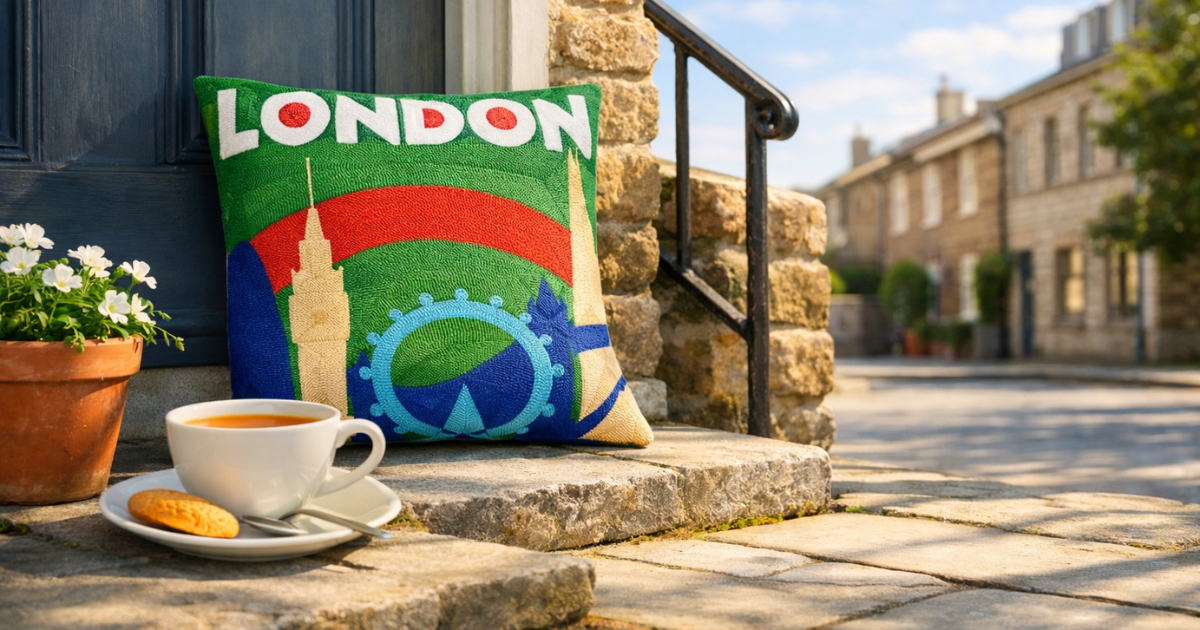
This London Needlepoint Cushion perfectly captures the character of the capital. It features the familiar symbols and imagery you would expect from London, while introducing a more varied and contemporary mix of themes that reflects the city’s rich history, culture and diversity.

The Future of Britishness
The conversation around Britishness will continue to evolve as society changes. Every generation contributes new ideas, traditions and experiences that reshape what it means to belong.
Whether your Britishness is represented by afternoon tea, the Union Jack, village life, multicultural cities or simply the place you call home, it remains a deeply personal experience.
One thing is certain: despite our different backgrounds, beliefs and perspectives, Britain is strongest when its people come together in unity. Our diversity, shared history and collective future are what continue to define the enduring spirit of Britishness.
Looking for a stylish way to celebrate Britishness? This throw offers the perfect blend of heritage and contemporary design. It captures the spirit of Britain without relying on the traditional red, white and blue colour palette, making it a subtle yet distinctive symbol of national pride.

This article contains affiliate links, which means I may earn a small commission if you click through and make a purchase — at no extra cost to you.

Leave a Reply