
https://pagead2.googlesyndication.com/pagead/js/adsbygoogle.js?client=ca-pub-4000887400212447
A Landmark Moment in 2018 at Westminster Abbey
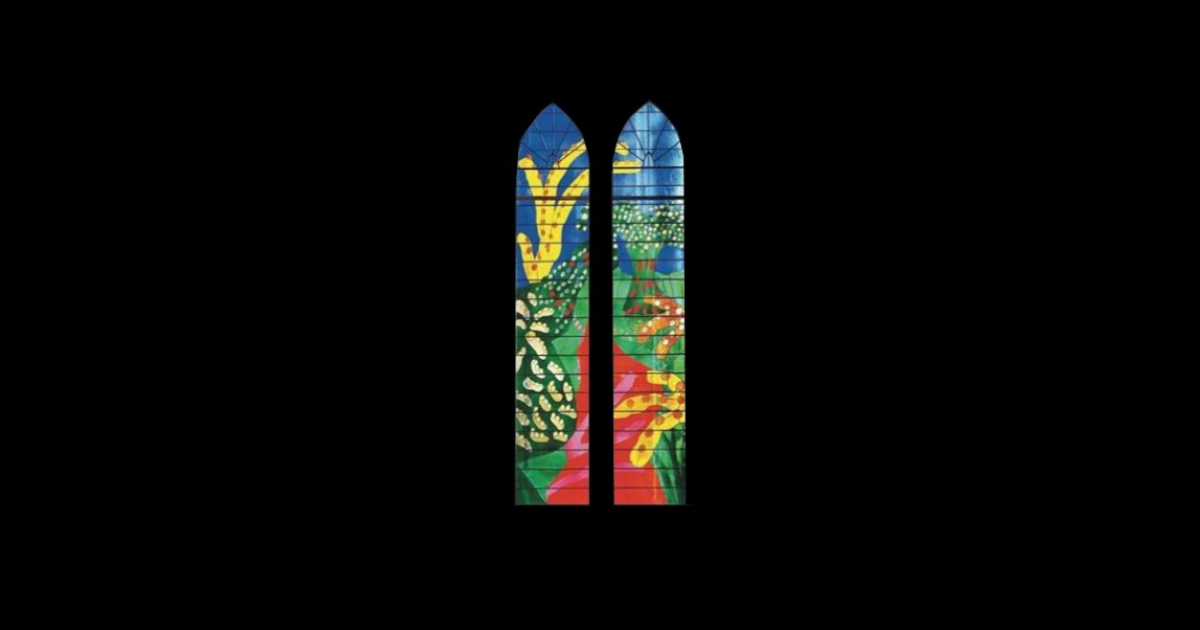
In 2018, the historic Westminster Abbey unveiled a newly commissioned stained glass window by celebrated British artist David Hockney. The dedication, carried out by the Dean of Westminster, marked a significant moment in the Abbey’s ongoing tradition of blending heritage with contemporary artistic expression.
Looking back, the installation remains one of the most debated modern additions to the Abbey’s sacred Gothic interior.

Stained‑glass Window
Westminster Abbey
Westminster Abbey: A Living Monument to British History
By 2018, Westminster Abbey had long stood as one of the most important religious and cultural sites in the United Kingdom. For over a thousand years, it has served as a coronation church, a royal mausoleum, and a national shrine.
Within its walls rest monarchs, poets, scientists, and military heroes. The Abbey also houses the Tomb of the Unknown Warrior, symbolising national remembrance. Against this deeply historic backdrop, any contemporary intervention carries immense cultural weight.
Interested in learning more about stained glass? Introduction to Stained Glass Art provides a comprehensive starting point, exploring the fascinating intersection of artistic design, construction techniques, and materials science.

David Hockney’s Commission: Tradition Meets Digital Innovation
The stained glass commission formed part of a continuing tradition of inviting leading contemporary artists to contribute to sacred spaces. Hockney—one of Britain’s most influential post-war artists and a key figure in the Pop Art movement—was selected for his bold visual language and enduring cultural significance.
In a distinctly modern twist, the design was created using an iPad, reflecting Hockney’s long-standing interest in digital media. The resulting window depicted a bright, pastoral landscape, intended as a tribute to Queen Elizabeth II’s affection for the English countryside during her reign.
When installed in 2018, the work was dedicated in an official ceremony, positioning it firmly within the Abbey’s evolving visual and spiritual narrative.
Stained glass is not the only instance in which Hockney has explored the motif of windows in his work. In David Hockney: My Window, he presents a series of around 120 paintings depicting views from the windows of his then-home in Yorkshire.

My Window
Reception in Retrospect: Admiration and Unease
In hindsight, the response to the window has remained divided. While many praised the commission as a courageous fusion of tradition and modernity, others felt the installation raised difficult questions about context and architectural harmony.
Key points of debate included:
1. Architectural Integration
Placed alongside traditional Gothic stained glass, the new panel stood in stark contrast. Its modern composition drew immediate attention, prompting discussion about whether it should have been installed in isolation or as part of a fully contemporary series.
2. Colour and Visual Impact
Hockney’s signature use of vibrant colour created a striking effect within the subdued stone interior of the Abbey. Some viewers found the palette invigorating, while others felt it disrupted the contemplative atmosphere.
3. Design Language and Structure
The abstracted lead lines and stylised forms were interpreted by some critics as innovative and expressive, while others argued they lacked the discipline and architectural sensitivity typically associated with Gothic stained glass traditions.
Thinking of trying stained glass yourself, but on a more modest scale than David Hockney’s window for Westminster Abbey? The House of Crafts Stained Glass Craft Kit is a great beginner-friendly option to get you started—who knows where it might lead!

Stained Glass Craft Kit
Contemporary Art in Sacred Spaces: The Ongoing Debate
The 2018 installation at Westminster Abbey intensified a broader discussion about the role of modern art in historic religious buildings.
Supporters argue that commissioning artists like Hockney ensures the Abbey remains a living institution rather than a static museum. They see the window as part of a continuing historical evolution—one that reflects the cultural language of the present day.
Critics, however, suggest that the contrast between modern visual abstraction and medieval architecture can risk visual and thematic dissonance, particularly in spaces designed for reflection and tradition.

Westminster Abbey
Could It Have Been Different?
In hindsight, several alternative approaches are often proposed in critical discussions:
- Installing multiple contemporary windows rather than a single modern insertion
- Selecting a more secluded or transitional space within the Abbey
- Designing the commission more explicitly in dialogue with Gothic structural patterns
- Relocating the work to a modernist cathedral setting, such as Liverpool Metropolitan Cathedral, where its aesthetic language might feel more naturally aligned.
Curious to see the window for yourself and form your own opinion? A Guided Tour inside Westminster Abbey will take you through the Abbey, including the window near the entrance. While it can be glimpsed from outside, like all stained glass, it’s best experienced from within where the light truly brings it to life.

Guided Tour
Legacy: A Window That Continues to Divide Opinion
Years after its dedication in 2018, the Hockney stained glass window remains a focal point for debate about heritage, innovation, and artistic responsibility.
Whether viewed as a bold evolution of ecclesiastical art or a visually disruptive intervention in a sacred Gothic space, the installation has undeniably achieved cultural significance.
In retrospect, its greatest impact may not lie in its visual qualities alone, but in the ongoing conversation it continues to provoke about how historic institutions engage with contemporary creativity.
And in that sense, the 2018 installation at Westminster Abbey remains less a resolved verdict—and more an open question in the story of British art and architecture

Drawing on his iPad
November 2023
We lost David Hockney on 11 June 2026 at the age of 88. In accordance with his wishes, his funeral was held privately, attended only by his nephew and long-term partner. A public memorial celebrating his life and work is planned for spring 2027 in London, and is expected to take place at Westminster Abbey.
This article contains affiliate links, which means I may earn a small commission if you click through and make a purchase — at no extra cost to you.


Leave a Reply