
https://pagead2.googlesyndication.com/pagead/js/adsbygoogle.js?client=ca-pub-4000887400212447
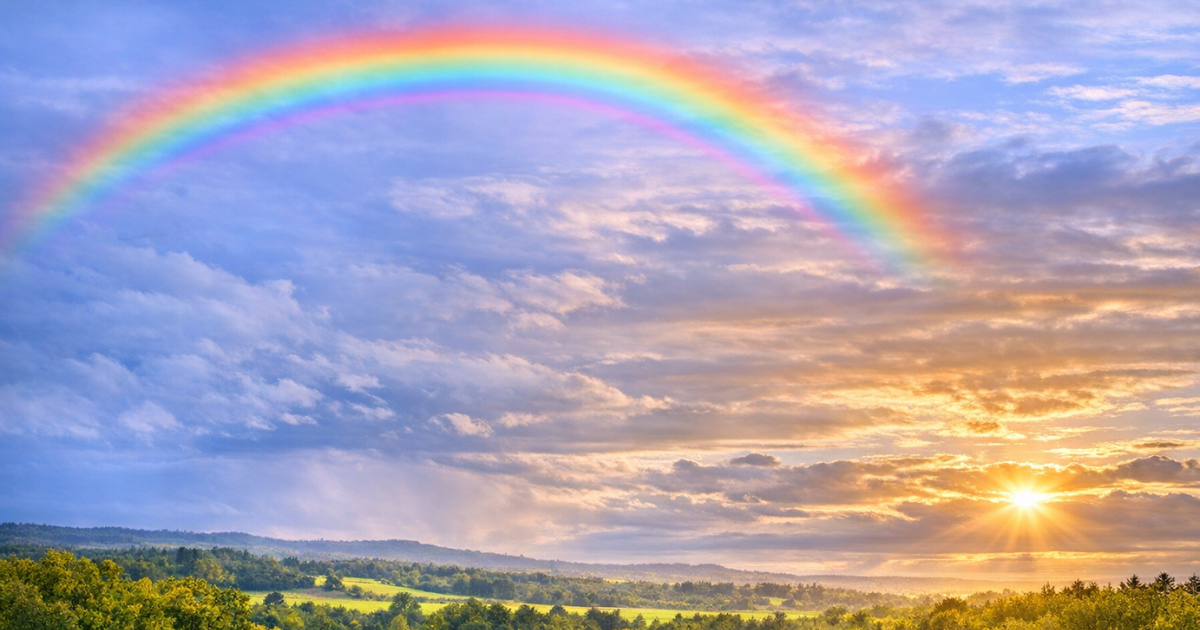
The rainbow is one of the most recognisable and universally loved symbols in the world. Bright, uplifting, and fleeting, it captures attention instantly—turning even the most ordinary day into something memorable. But beyond its visual beauty, the rainbow carries deep cultural, spiritual, and modern significance that has evolved over time.
The Origins of the Rainbow Symbol
The earliest widely known meaning of the rainbow comes from the Bible, specifically the story of Book of Genesis. After the story of Noah’s Ark, the rainbow appears as a sign of God’s covenant—a promise never to flood the Earth again. In this context, the rainbow symbolises:
- Hope after destruction
- Divine mercy and faithfulness
- Renewal and new beginnings
While Noah’s Ark has often been presented as a child-friendly story—complete with animals entering “two by two” and musical adaptations—the symbolism behind the rainbow remains powerful and enduring.
If you’re looking to explore the meaning of the rainbow and its place in the Bible’s Genesis, God’s Creative Call is an excellent place to begin.

Charles and Anne Hummel
A Symbol Loved by Generations
Over time, the rainbow became strongly associated with childhood, joy, and imagination. Its bright colours naturally appeal to younger audiences, making it a recurring theme in children’s media and culture.
Popular examples include:
- Rainbow, featuring characters like Zippy
- Nursery rhymes and songs celebrating its colours
- Toys and characters such as unicorns and colourful animated figures
Because of this, the rainbow became a universal emblem of innocence, creativity, and happiness.
Rainbows appear widely across children’s product ranges, and the Care Bears Metal Water Bottle makes repeated use of this cheerful symbol.

Rainbow
The Rainbow as a Modern Cultural Symbol
In more recent decades, the rainbow has taken on new and powerful meanings across different communities and contexts.
LGBTQ+ Pride and Diversity
The rainbow is now globally recognised as a symbol of inclusivity, identity, and pride within the LGBTQ+ community. Rainbow flags are prominently displayed at Pride events, representing:
- Diversity and acceptance
- Unity across identities
- Visibility and celebration
From marches to global campaigns, the rainbow has become a powerful statement of belonging and equality.
Getting ready for your next Pride march? A Rainbow Flag Costume is an easy, high-impact option that delivers maximum visibility with minimal effort.

A Symbol of Hope During the Pandemic
During the COVID-19 pandemic, the rainbow re-emerged as a symbol of solidarity and gratitude—particularly in the UK. Children and families created rainbow posters with messages like “Thank You NHS,” displaying them in windows across the country to support healthcare workers.
Many of these artworks remain visible today, serving as reminders of:
- Community resilience
- Collective support
- Appreciation for frontline workers
The rainbow, used throughout The Wellbeing Journal as a symbol of hope and renewal, introduces a series of creative exercises designed to support reflection and personal growth.

Cultural and Spiritual Interpretations
The meaning of the rainbow extends far beyond one tradition or culture. Across the world, it carries a variety of interpretations:
- Spiritual symbolism: Peace, safety, and reassurance
- Norse mythology: A bridge between the human and divine realms
- Native American traditions: A connection to the spirit world
- Biblical meaning: A covenant of protection and mercy
- Folklore: The famous “pot of gold” at the end of the rainbow, symbolising luck and fortune
These interpretations all share common themes of connection, hope, and something greater than ourselves.
The Rainbow in Music and Popular Culture
The rainbow has also inspired countless works of art, music, and storytelling. Iconic examples include:
- Over the Rainbow from The Wizard of Oz
- In Rainbows by Radiohead
- “Rainbow Country” by Bob Marley
- Rainbow Connection sung by Kermit the Frog
These cultural references reinforce the rainbow’s association with dreams, unity, and emotional expression.
She’s a Rainbow is featured on Forty Licks by The Rolling Stones, available on coloured vinyl.

Forty Licks
vinyl box set
A Symbol That Stops Us in Our Tracks
One of the most remarkable things about a rainbow is its rarity. Unlike everyday sights, a rainbow feels special—almost like a moment to pause and reflect.
When we see one, we:
- Stop and take notice
- Share the moment with others
- Capture it on our phones
- Feel a sense of joy or wonder
It transforms the ordinary into something meaningful, reminding us to look up and appreciate the world around us.
What Does the Rainbow Mean Today?
Today, the rainbow stands as a multi-layered symbol that continues to evolve. Its meanings include:
- Hope and renewal after difficult times
- Diversity and inclusivity
- Peace, unity, and solidarity
- Good fortune and positivity
- Spiritual connection and reassurance
From ancient scripture to modern social movements, the rainbow remains a powerful visual language—one that speaks across cultures, generations, and experiences.
The Rainbow Trust supports families with children who have a terminal illness, using the rainbow as a symbol of hope throughout its visual identity and merchandise.

The Rainbow Trust
Final Thoughts
Whether viewed as a biblical promise, a cultural icon, or a personal moment of wonder, the rainbow continues to hold a unique place in human experience. It is both timeless and ever-changing—a reminder that even after the darkest storms, brighter days can follow.

This article contains affiliate links, which means I may earn a small commission if you click through and make a purchase — at no extra cost to you.
Leave a Reply