
https://pagead2.googlesyndication.com/pagead/js/adsbygoogle.js?client=ca-pub-4000887400212447
Introduction: A Long-Term Commitment to Drawing
In 2025, I set myself the challenge of creating a daily sketch journal. It was a way to build consistency, explore ideas quickly, and strengthen my drawing practice. My intention moving forward was clear: to continue exploring the themes and processes developed in 2025 while using—and deepening—my engagement with digital sketching.
Moving to Digital Sketching in 2026
At the start of this new year-long project, I decided to work digitally and experiment with the medium fully. I began using Krita software, alongside a newly purchased stylus, ordered specifically for this extended creative commitment. Rather than working on a smartphone, I chose to use a tablet, as the larger screen provided more space and control for drawing.
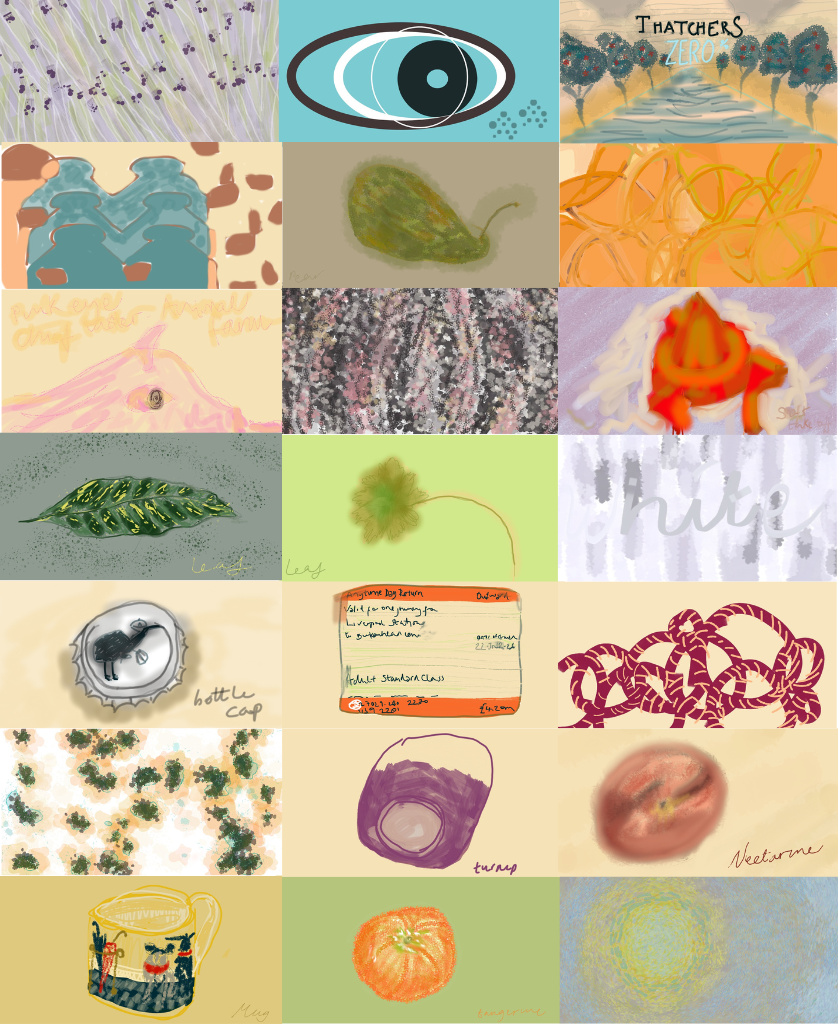
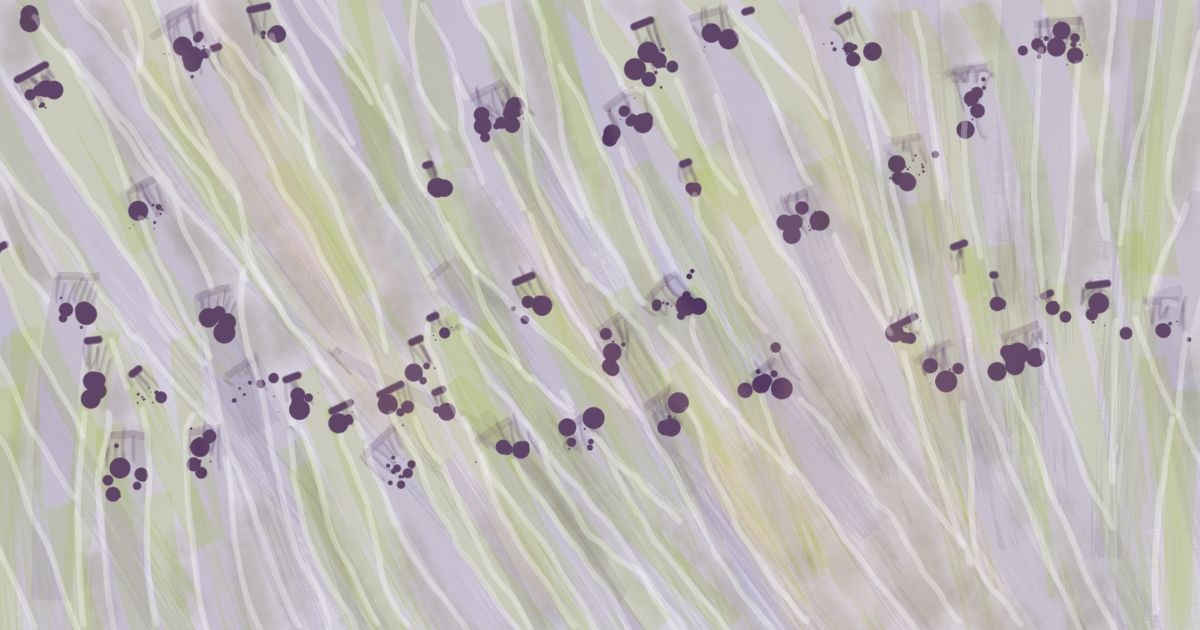
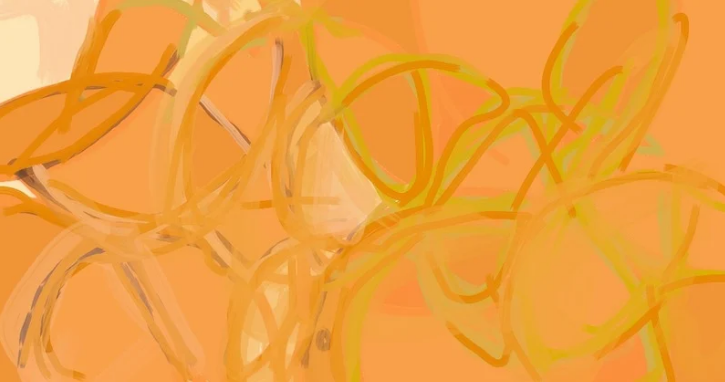
Although I had used Krita in the past, I found myself struggling with the software—particularly with layers and workflow. After some persistence and experimentation, I began to understand the layering system better and started producing sketches that showed real promise. One early drawing, a somewhat clumsy avocado illustration, gave me confidence that I could push the medium further and improve with time.
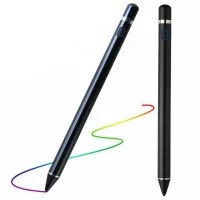
I created these works using a universal capacitive touchscreen stylus. Its compact size and ultra-fine tip make it particularly well suited to detailed digital sketching.
Technical Challenges with Krita
Despite creative progress, I ran into significant technical issues with saving and exporting files in Krita. I followed all recommended advice—adjusting file sizes, merging layers, and exporting in the correct formats—but the results were inconsistent. Sometimes exporting worked; other times it took five or six attempts, costing me valuable sketching time.
After several frustrating evenings and extensive online research, I discovered that many other users were experiencing similar problems. It became clear that this was a technical fault rather than user error. Faced with the choice of troubleshooting endlessly or protecting my creative momentum, I chose the latter.
A 10-inch tablet offers the perfect balance for digital sketching, providing enough screen space for detailed work while remaining portable and comfortable to use for informal evening sketch sessions.

Switching to Infinite Painter
The next evening, I downloaded Infinite Painter, a simpler digital art application with fewer layers but a far more reliable export process. This change proved transformative. The software allowed me to export and share artwork easily, making it ideal for end-of-day sketching and posting work on social media.
While I initially struggled again with digital drawing techniques, I questioned whether this was truly a medium that suited me. Even after years of working with watercolour, I have never fully mastered it, often using it simply to add colour rather than as a primary drawing tool. This self-doubt led me to consider returning to traditional markers, which I already felt comfortable using.
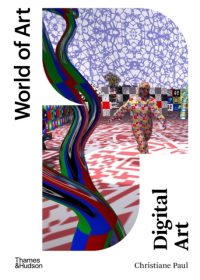
If you’re looking to explore the subject further, Digital Art by Christiane Paul offers an excellent introduction to this dynamic and evolving field of contemporary art.
Perseverance Pays Off
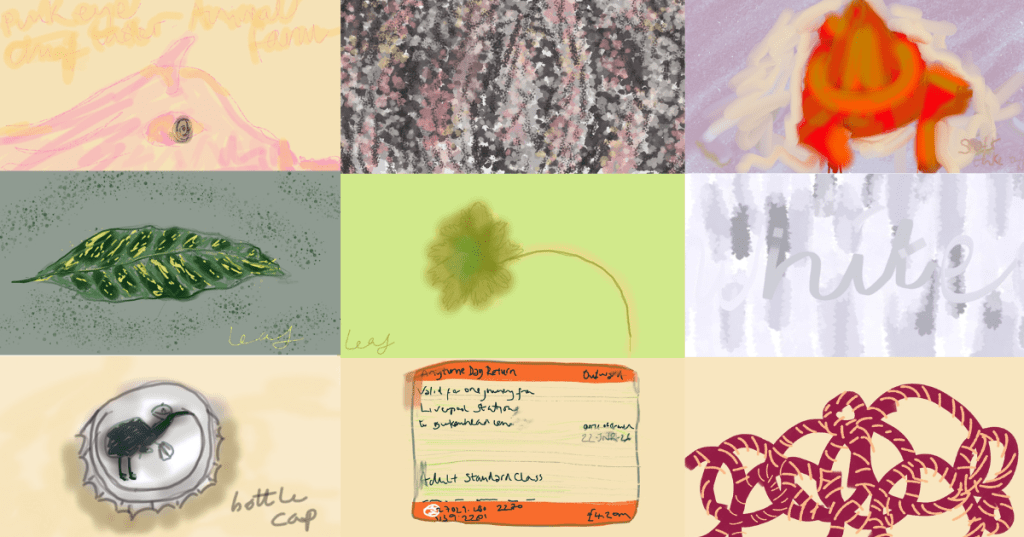
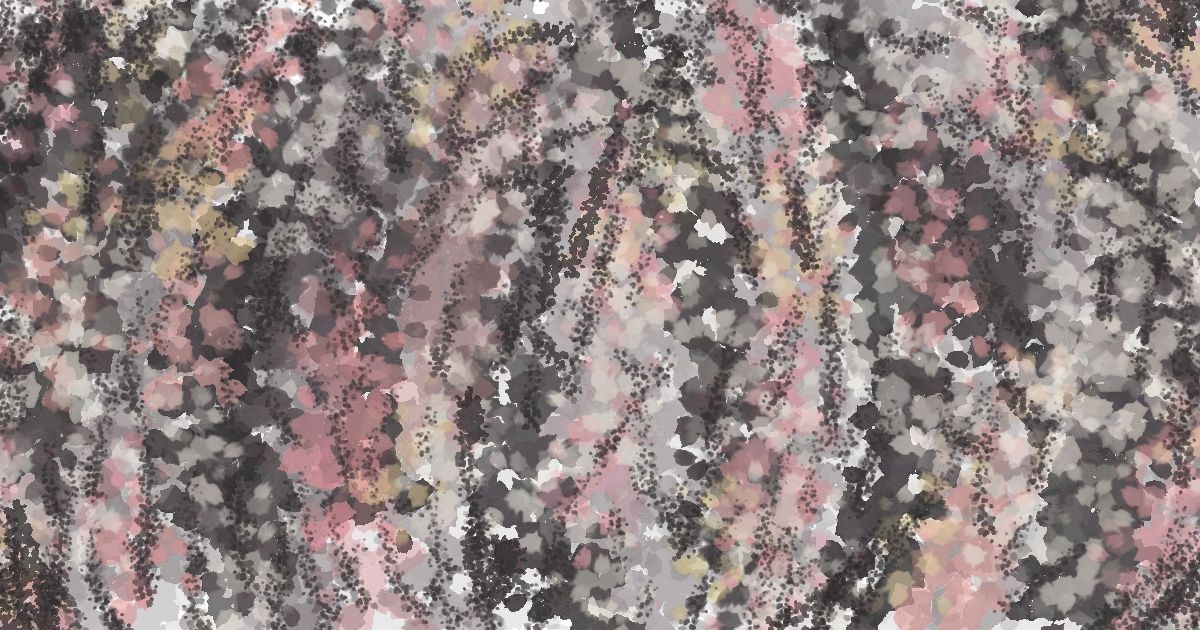
Fortunately, I decided to persevere—and I’m very glad I did. Gradually, I began to enjoy digital sketching and produced work I was genuinely pleased with. I revisited themes explored in 2025, including a digital drawing of “Pink Eye” inspired by George Orwell’s Animal Farm.
I also started experimenting with digital tools to create texture, including using a real rock—collected years ago near Fort William—as a reference for rock surfaces. This led to further exploration using physical templates, graphic elements, and mixed imagery. One standout piece involved a turnip, combined with graphic mark-making, textures, and text elements.
By the end of the month, I felt extremely satisfied with my digital sketching progress and the creative risks I had taken.
Need a helping hand with digital sketching? Advanced Digital Illustration: Exploring Mixed Media Techniques is an online, self-paced course designed to support you as you develop your skills.

Exploring Mixed Media Techniques
What’s Next: February Experiments
Looking ahead, I plan to push experimentation even further. Throughout February, I’ll explore:
- Drawing in response to classical music
- Topographical compositions with no clear top or bottom
- Regular themes based on discarded objects
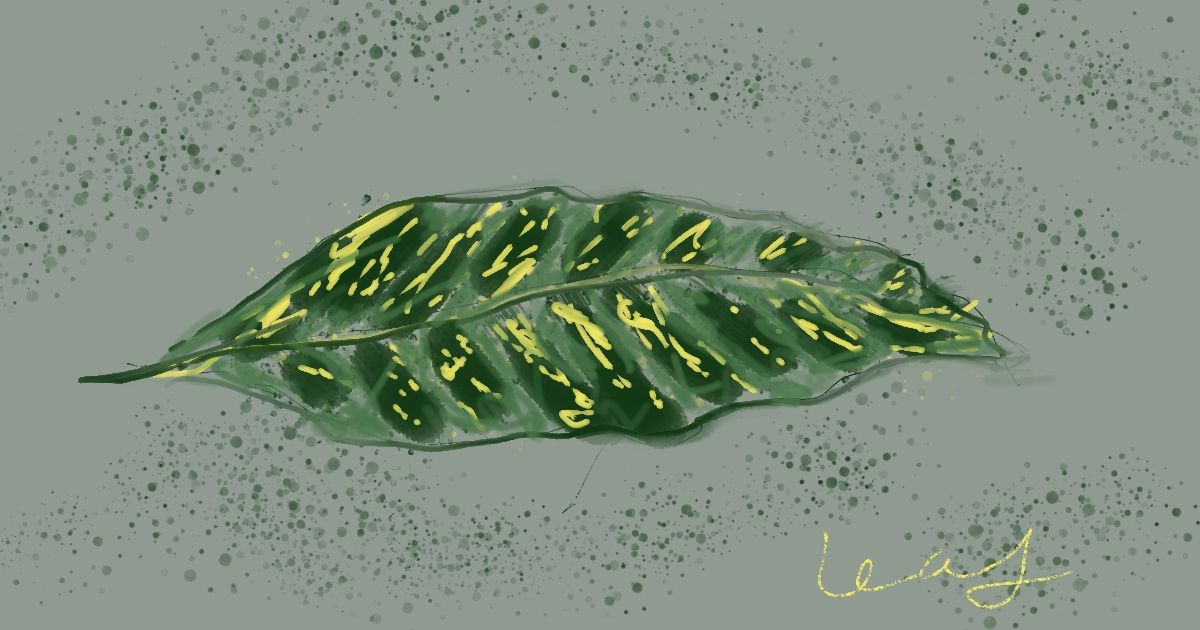
- Studies of natural forms
- Graphic elements inspired by packaging design
With so many ideas in motion, February promises to be a busy and exciting month of digital sketching.
Conclusion
This journey—from daily digital sketches to traditional drawing and back again—has reinforced the value of persistence, adaptability, and creative curiosity. Digital sketching continues to challenge me, but it also opens up new possibilities that keep my practice evolving.
This article contains affiliate links, which means I may earn a small commission if you click through and make a purchase — at no extra cost to you.

 alisonlittleblog
Leave a comment