
https://pagead2.googlesyndication.com/pagead/js/adsbygoogle.js?client=ca-pub-4000887400212447
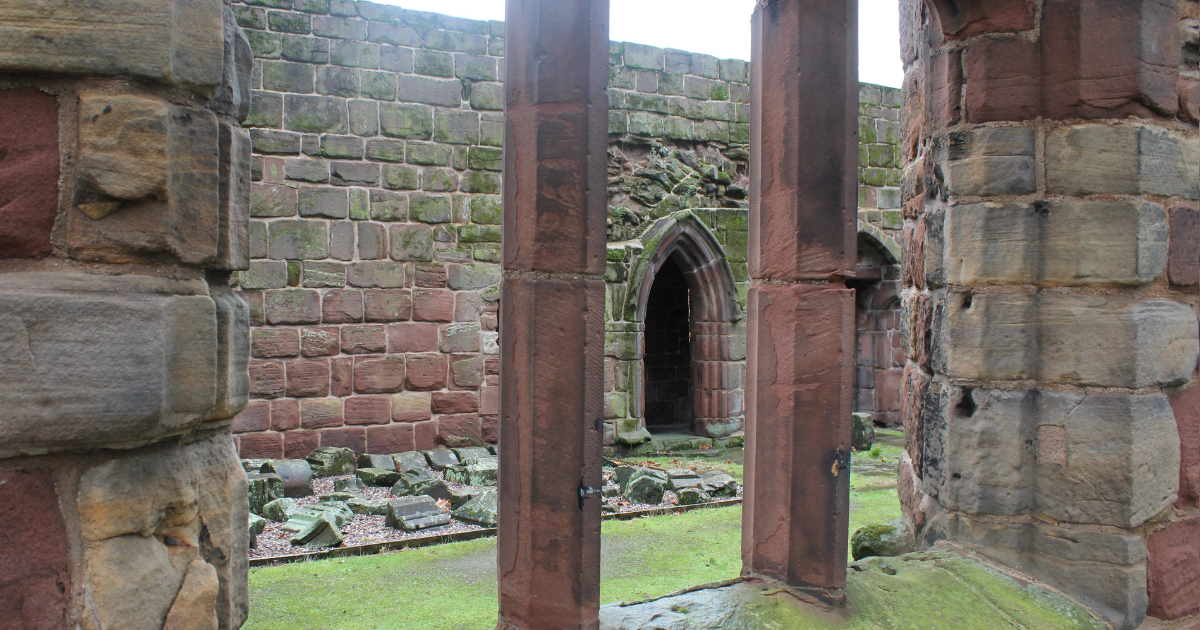
Tucked away on the banks of the River Mersey, Birkenhead Priory is one of Merseyside’s most remarkable yet understated historic landmarks. Founded in 1150, this former Benedictine monastery has witnessed nearly nine centuries of change—yet many elements of its past still echo powerfully in the present.
Visiting the Priory today is a striking reminder of how centuries can pass while the soul of a place remains.

Curious about the closure of medieval monasteries across the country? A Thousand Fates explores the aftermath of monastic life in England and Wales.

A Historic Gateway by Water
One of the most remarkable continuities between then and now is the Priory’s relationship with the river. In medieval times, the boat route ended here, with monks caring for travellers arriving by small rowing vessels. Today, ferries, cargo ships, and even warships glide past, but the sense of arrival remains.
It is believed that the monks played a role in overseeing early regulated ferry crossings, long before the docks and industrial skyline reshaped the Mersey. The Priory was once a place of refuge and hospitality—an essential stopping point for those crossing the river.

Stepping Into the Cold of History
Even now, the building retains its medieval atmosphere in the most physical way. On a cold winter’s day, the chill inside the Priory is unmistakable. The room once used by monks to store food still sends a shiver through visitors—an unfiltered reminder of how austere monastic life truly was.
Nearby, modern conversations about utilities and rising costs feel oddly familiar. Disputes over resources are nothing new; centuries ago, wine storage mattered just as much as today’s debates over infrastructure and funding.
If you’re planning a trip across the water to the Priory, a versatile waterproof is well worth bringing—particularly along the Mersey.

Industry vs Heritage: A Delicate Balance
One of the ongoing concerns surrounding Birkenhead Priory is how much trade and industry has been allowed to develop around it. Plastic signage, industrial outlets, and dockland infrastructure now encroach on what was once a secluded monastery.
While the docks and shipping routes are undeniably vital to the area, the question remains: could stronger heritage restrictions have been put in place during planning? With more sensitive development, the Priory might better command the reverence its age and importance deserve.

Finding the Priory Isn’t Easy—But It’s Worth It
Despite its significance, the Priory is surprisingly hard to find. Whether arriving on foot or by road, signage is sporadic, and it’s easy to pass the site several times before locating it. The steeple can sometimes be spotted from afar, but clearer directions would greatly improve accessibility.
That said, once you arrive, the effort fades away. Discovering the Priory feels like stepping off the modern path and directly into history—an experience that rewards patience and curiosity.

Birkenhead Priory
Refurbishment and Preservation
The Priory recently reopened at the start of January following a period of refurbishment. Most of the upgrades focus on the museum areas and lighting, carefully designed to preserve the original medieval structure rather than modernise it excessively.
This approach reflects a growing respect for the building’s historical integrity, ensuring it remains authentic while still welcoming visitors.
Interested in the medieval period? Reed’s Medieval History course offers a brilliant introduction to the era.
An Active Place of Worship
The Chapter House is still in use today as a Church of England church, where services are regularly held. This continuity of spiritual purpose adds another layer of depth to the site, blending living tradition with ancient stone.
Notably, St Mary’s Tower offers a 101-step climb to panoramic views across Wirral, the River Mersey, and Liverpool, with the Anglican Cathedral standing out as a particularly strong visual landmark.

Why Birkenhead Priory Matters
- Founded: 1150
- Age: 870+ years
- Status: Oldest standing building in Merseyside
- Location: Camell Laird’s Docks, River Mersey
- Order: Benedictine monks
Birkenhead Priory is more than an old building—it’s a witness to the transformation of the Mersey, the rise of industry, and the endurance of faith and community.
The question remains: is this ancient structure getting the attention and respect it truly deserves? For those who take the time to find it, the answer is clear—it deserves far more.

Birkenhead Priory
If the photography in this article caught your eye, the Canon EOS 450D is a great digital SLR to consider.
This article contains affiliate links, which means I may earn a small commission if you click through and make a purchase — at no extra cost to you.


Leave a Reply to the blighter’s rockCancel reply