

https://pagead2.googlesyndication.com/pagead/js/adsbygoogle.js?client=ca-pub-4000887400212447
With the latest Lee Miller exhibition at Tate Britain opening this week, now is the perfect time to reconsider the extraordinary life and legacy of this groundbreaking photographer. Far more than a muse or model, Lee Miller was a feminist icon, a Second World War correspondent, a rape survivor, and a pioneering voice in women’s liberation.

From Model to Photographer
Born in 1907 in Poughkeepsie, New York, Lee Miller began her career as a fashion model for Vogue. Her striking beauty made her a muse for designers and artists, but an appearance in a Kotex advertisement abruptly ended her modelling career—at a time when menstruation was taboo in mainstream media.
Refusing to be sidelined, Miller moved behind the camera. She became a fashion photographer in her own right and quickly embedded herself in the Parisian surrealist movement, collaborating with Man Ray, Max Ernst, and Pablo Picasso.
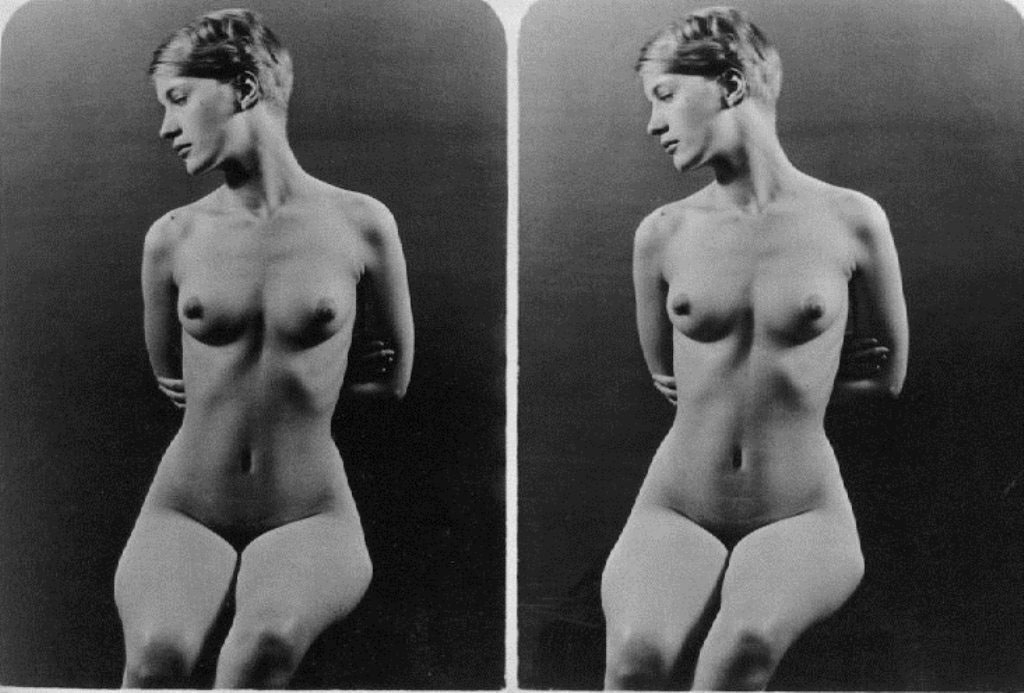
A Childhood Marked by Trauma
Miller’s resilience was forged through hardship. At the age of seven, she was raped by a family acquaintance, leaving her with gonorrhoea—an incurable disease at the time. Her father, Theodore, often photographed her, producing images that today would be seen as deeply problematic and exploitative. These early traumas shaped her defiant approach to sexuality, art, and self-representation.
Breaking Boundaries in Love and Life
Lee Miller defied social conventions. She posed for erotic photographs, lived freely, and entered into an interracial marriage in Egypt—highly unusual for the era. Later, she partnered with British surrealist painter Roland Penrose, with whom she built a creative and turbulent life in England.
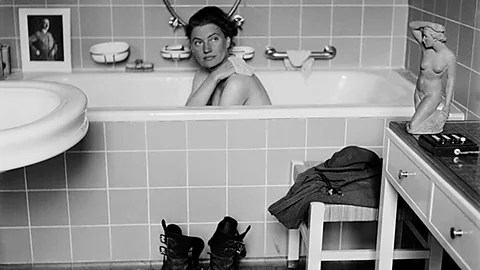
War Correspondent: Witness to Atrocity
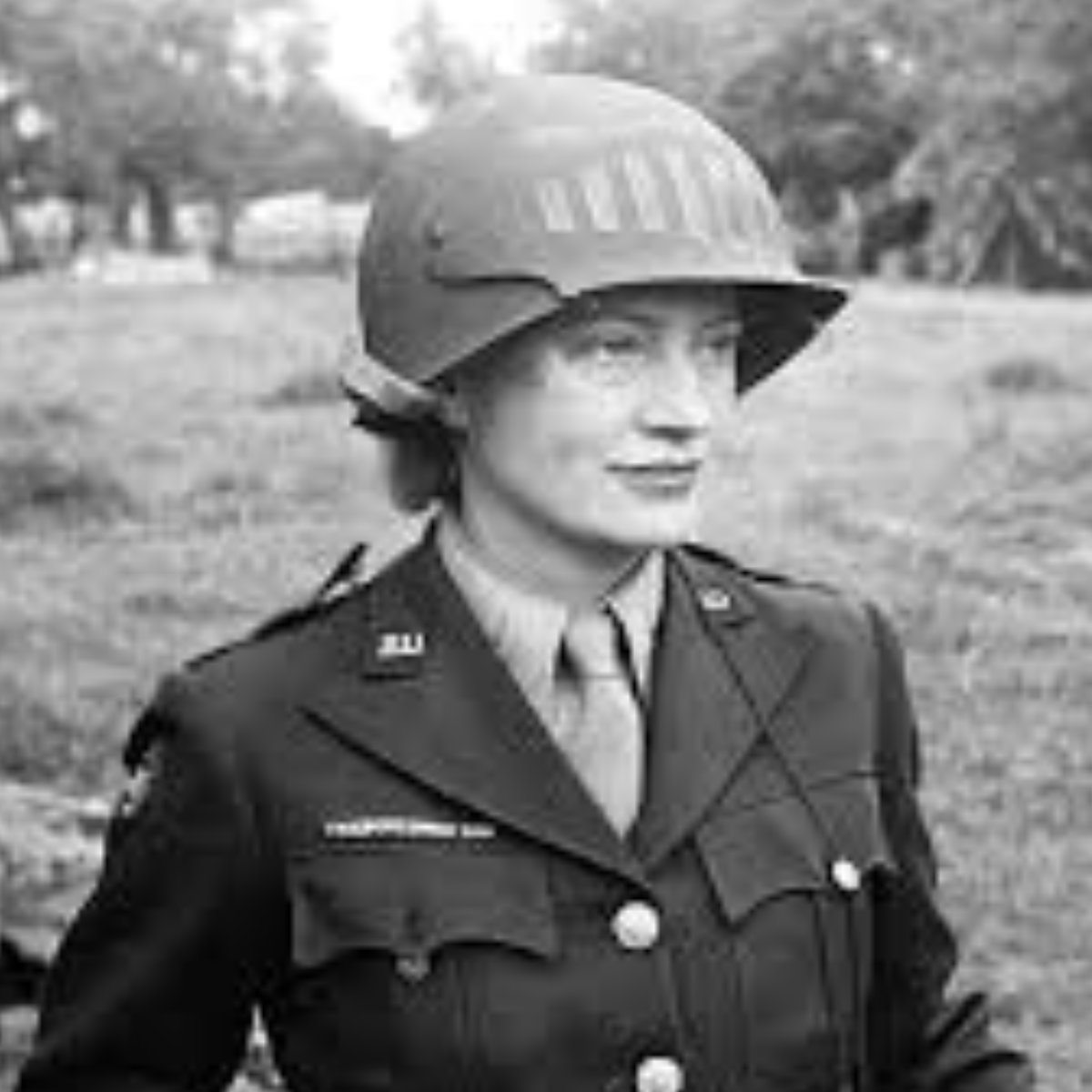
When World War II erupted, Miller transformed once again—this time into a fearless war photographer and correspondent for Vogue. She captured harrowing images of bombed-out London, front-line soldiers, and the liberation of concentration camps. One of her most famous photographs shows her defiantly bathing in Hitler’s Munich apartment, a striking act of resistance.
But the cost was high. The horrors she witnessed—trains packed with corpses, the devastation of Dachau—left her with severe post-traumatic stress disorder (PTSD), struggles with alcoholism, and periods of depression.
Later Life and Legacy
Despite personal battles, Miller remained creatively active. Though once thought infertile, she gave birth to her son, Anthony Penrose, in her forties. She worked as a chef, photographer, and writer, even as her health declined. Miller died of cancer in 1977, leaving behind a body of work that continues to inspire.
Today, she is remembered not just as a muse or model, but as one of the most important photographers of the 20th century—a feminist trailblazer who broke barriers in art, war journalism, and women’s rights.
Why Lee Miller Matters Today
The Tate Britain Lee Miller exhibition shines a new spotlight on her legacy. At a time when discussions about gender, power, and representation dominate cultural discourse, Miller’s life resonates more strongly than ever.
- She challenged gender roles in art and journalism.
- She transformed personal trauma into creative defiance.
- She gave voice to the horrors of war through images that remain iconic.
Lee Miller was not simply a muse—she was an artist, a survivor, and a revolutionary.
YHA offers affordable places to stay near Tate Britain.
 alisonlittleblog
Leave a comment