
https://pagead2.googlesyndication.com/pagead/js/adsbygoogle.js?client=ca-pub-4000887400212447
The “Mar-a-Lago face” has become a widely discussed term in American pop culture, describing a bold, hyper‑engineered cosmetic look associated with Donald Trump’s political and social orbit. Unlike traditional aesthetic trends that aim for subtle enhancement, this style is intentionally dramatic. It’s designed to be seen — and to signal status, loyalty, and proximity to power.

What Is the Mar-a-Lago Face?
At its core, the Mar-a-Lago face is a deliberately artificial aesthetic. It embraces visible cosmetic work rather than hiding it. The look is often described as a “putty face” or “status face,” reflecting both its sculpted appearance and its role as a marker of wealth and influence.
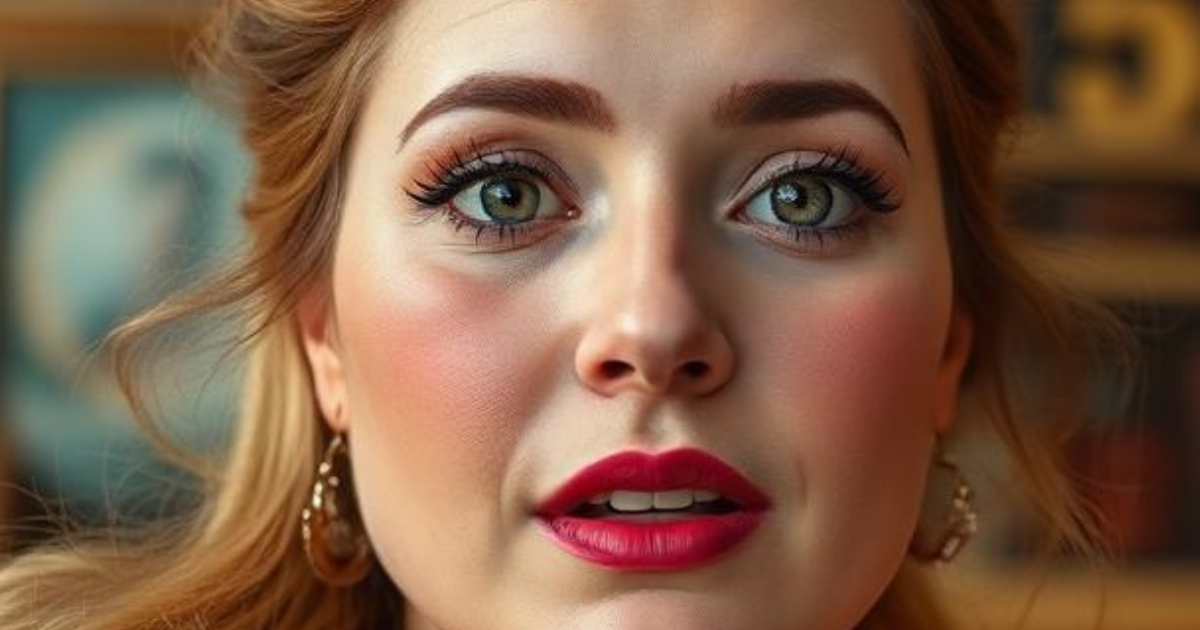
The style typically features ultra-smooth skin, heavy filler, exaggerated lips and cheeks, and bright white veneers. The result is a uniform, hyper-feminised appearance that stands out on camera and in political media environments.
Looking for a gentler, more natural way to refresh tired eyes? The RENPHO EYERIS 3 Eye Massager offers a non-invasive alternative focused on relaxation and everyday eye comfort.

Key Features of the Mar-a-Lago Aesthetic
While the look varies from person to person, several elements appear consistently:
- Extensive Botox and filler creating a frozen, polished surface
- Over-volumised lips and cheeks that push facial proportions beyond natural anatomy
- A tightly lifted lower face and neck, producing a sculpted, “putty-like” finish
- Bright, uniform veneers contributing to a high-gloss, high-status appearance
- Heavy, stage-ready makeup, including smoky eyes, contouring, and bronzed skin
The overall effect is engineered, theatrical, and unmistakably intentional.
Interested in a more natural, budget-friendly skincare routine? Green Cream Original is a simple, accessible option for everyday skin care — with no cosmetic procedures required.

Why It’s Called the “Mar-a-Lago Face”
The term originates from Mar-a-Lago, Trump’s private club in Palm Beach. Over the past decade, the resort has become a central hub for:
- political allies
- conservative media personalities
- high-level donors
- campaign surrogates
Within this environment, a shared aesthetic has emerged — a kind of visual shorthand for belonging to Trump’s elite circle. Cosmetic work becomes not just personal expression but a form of political branding.
Looking for a gentle, at-home way to support skin firmness and definition? The LED Energy Face Cleanser offers an affordable, non-invasive option for everyday skincare routines.

A High-Cost Status Symbol
Industry estimates suggest that maintaining this level of cosmetic intervention — including injectables, surgery, lasers, and ongoing upkeep — can reach six figures over time. This positions the Mar-a-Lago face as both a beauty trend and a luxury lifestyle marker.
Who Is Associated With the Trend?
Commentators and social media users often link the look to prominent MAGA-aligned figures, including:
- Kimberly Guilfoyle
- Kristi Noem
- Matt Gaetz
- Karoline Leavitt

White House Press Secretary
Supporters argue these choices are personal. Critics see a pattern: a shared aesthetic culture that reinforces group identity within Trump’s political sphere.
How It Compares to Other Beauty Cultures
The Mar-a-Lago face is frequently compared to:
- Real Housewives–style cosmetic culture, known for dramatic enhancements
- Drag-inspired aesthetics, where exaggeration is part of the performance
In both cases, the goal is visibility, not subtlety. This stands in contrast to the more natural, understated presentation associated with political figures like Michelle Obama, Kamala Harris, or conservative politicians who avoid overtly surgical looks.
Is the Trend Spreading Internationally?
There is growing speculation about whether this aesthetic could influence political figures in the UK or Europe. Observers point to:
- Nigel Farage’s visits to Mar-a-Lago
- Longstanding international connections around the resort, Jeffrey Epstein, Ghislaine Maxwell and Andrew Mountbatten-Windsor.
For now, however, the look remains firmly rooted in American right‑wing political media culture.
Curious about Mar-a-Lago, Trump, and the wealthy, entitled figures who frequent the resort? The Grifter’s Club reveals the secretive dealings at this South Florida resort and explores their wider impact on the United States and the world.

Trump, Mar‑a‑Lago, and the Selling of the Presidency
The Cultural Debate: Empowerment or Conformity?
The Mar-a-Lago face has sparked a wider conversation about beauty, politics, and identity.
Supporters emphasise:
- personal autonomy
- the right to aesthetic enhancement
- freedom from beauty shaming
Critics argue it represents:
- political conformity expressed through appearance
- a narrowing of acceptable femininity
- a homogenised, high-maintenance beauty standard
The debate reflects broader tensions around image, power, and gender in modern politics.
Medical and Aesthetic Risks
Clinicians warn that repeated, heavy cosmetic intervention can lead to:
- filler migration
- distortion of natural facial anatomy
- long-term tissue changes
- an increasingly unnatural appearance
Ironically, excessive filler can make individuals appear older rather than younger over time.
Does the Look Affect Political Credibility?
One of the most contested questions is whether the Mar-a-Lago face undermines public trust. Critics argue that highly artificial appearances can signal:
- inauthenticity
- over-managed image crafting
- prioritising branding over substance
In political communication, appearance plays a powerful role in perceived sincerity and relatability — making this trend more than a superficial issue.
Why the Mar-a-Lago Face Matters
This aesthetic is not just a beauty trend; it reflects a shift in political culture toward:
- curated visual identities
- celebrity-style branding
- image as a form of political messaging
The Mar-a-Lago face shows how cosmetic procedures can become tools of political positioning, shaping how power is performed and perceived.
Final Thoughts
The Mar-a-Lago face has become a symbolic intersection of beauty, status, and ideology. Whether viewed as empowerment, conformity, or strategic branding, it represents a distinctive moment in American political culture — one where aesthetics and allegiance increasingly intertwine.

This article contains affiliate links, which means I may earn a small commission if you click through and make a purchase — at no extra cost to you.
Leave a Reply