

Tittle-Tattle is a contemporary feminist artwork by conceptual artist Alison Little that critically examines the ways women judge other women through domestic labour, cleanliness, appearance, and social status. Using a commonplace domestic rolling pin as her medium, Little transforms an everyday household object into a powerful symbol of gendered expectations and internalised misogyny.
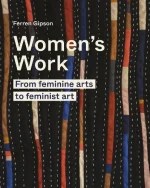
Further reading on feminist art and domestic labour can be found here 👉Ferren Gipson Women’s Work.
The rolling pin is intricately carved with a series of comments and statements that reflect how women are often evaluated—by other women—on their perceived domestic competence. These phrases reference gossip, comparison, and competition within the private sphere of the home. The title Tittle-Tattle evokes the gossipy, whispering nature of judgement, where casual remarks become tools of social regulation.
To create a sense of authenticity, the rolling pin was marked with deliberate aggression, using a basic multifunctional tool instead of traditional carving tools.
Typography plays a significant role in the work. Some comments are carved in handwritten-style fonts, mimicking spoken dialogue and informal gossip, while others appear in bold, assertive lettering, presenting judgement as fact. This contrast highlights how opinion is often disguised as truth.
One recurring theme is cleanliness, particularly the scrutiny of household presentation. The artwork references “Blinds”—an area where women are frequently judged while passing other homes, quietly ranking cleanliness and order. This creates an unspoken “league table” of domestic perfection, reinforcing competitive behaviours around the home.

Other phrases, such as “Your Iron”, adopt regional dialect to imply inadequacy or neglect, reinforcing how judgement is casually embedded in everyday language. Cooking is also addressed, traditionally viewed as a space of female competition. The phrase “A way to a man’s heart is through his stomach” exposes the persistent belief that a woman’s value lies in her ability to serve men through homemaking.
Further reading on feminist art and domestic labour can be found here 👉
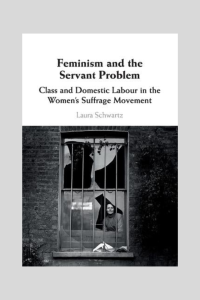
Feminism and the Servant Problem
Homeownership emerges as another marker of female status, particularly within British culture. The artwork critiques how women openly discriminate based on property ownership—regardless of context—when applying for bank accounts, nursery placements, or social memberships. Comparisons extend to neighbourhoods, property size, and whether homes were formerly local authority owned.
Little highlights the exclusion many women face from property ownership, especially in London and other high-cost areas, despite earning good salaries. The work acknowledges circumstances such as single parenthood, caring responsibilities, reliance on financial assistance, or working in undervalued yet essential sectors like charities, the creative industries, or public service.
The artwork also addresses aesthetic judgement and systems of vanity—designer clothing, salon-styled hair, manicures, and spa treatments—as tools women use to assert superiority over one another. These beauty standards ultimately reinforce inequality rather than empowerment.
Looking to explore themes similar to Little’s through fine art practice? The Fine Art Techniques course from Reed is a comprehensive online learning option for developing conceptual and technical skills.
Tittle-Tattle challenges women to reconsider these ingrained behaviours and calls for a judgement-free approach to domestic life. By exposing the subtle mechanisms through which women police one another, Alison Little’s work invites reflection, solidarity, and a rejection of hierarchical values rooted in the home.

This article contains affiliate links, which means I may earn a small commission if you click through and make a purchase — at no extra cost to you.

 alisonlittleblog
Leave a comment