
https://pagead2.googlesyndication.com/pagead/js/adsbygoogle.js?client=ca-pub-4000887400212447
In the 1990s, when Leisure and Tourism degrees first gained popularity in UK universities, they were often dismissed with the same casual irony I later explored in my flash fiction Tea-ology. At first instinct, these courses felt like a joke—academic window-dressing in a serious world. Tourism sounded indulgent. Leisure sounded unnecessary. Much like studying tea, it seemed frivolous until you asked where it came from, who paid the price, and who profited.
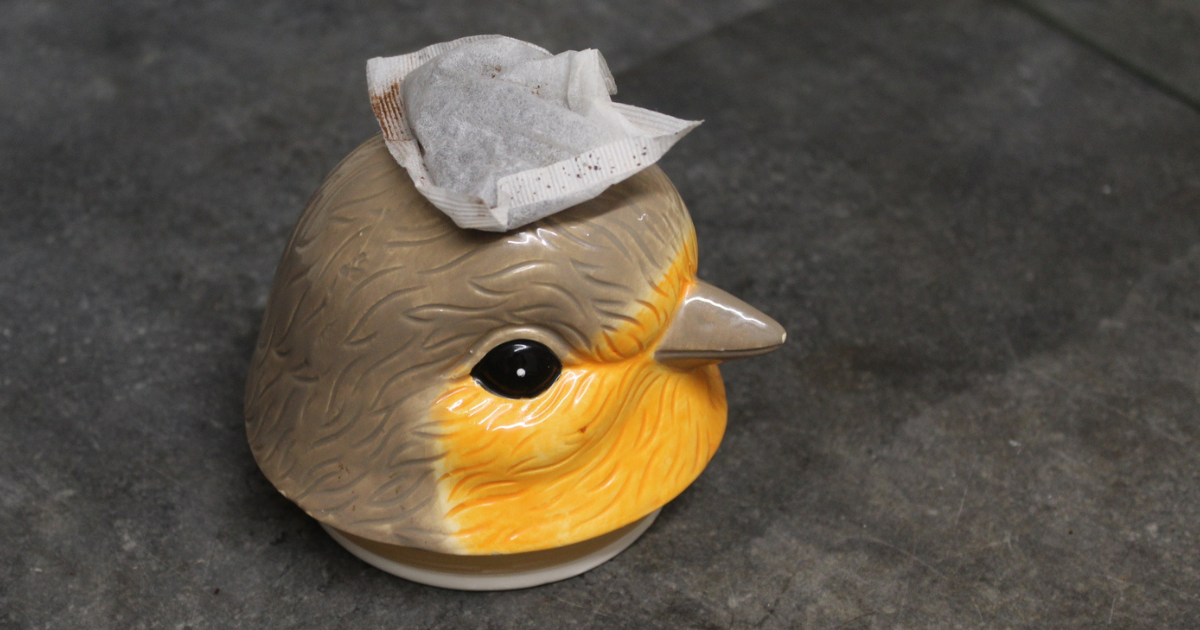
Tea-ology uses a robin wearing a makeshift graduation cap to question employability, empire, and the quiet disappointment that can follow higher education. Leisure and Tourism degrees faced a similar narrative. Yet, when examined properly, tourism is not about holidays—it is about movement, power, vulnerability, and global consequence. Terrorism, in particular, revealed how fragile tourism systems are, and how deeply they affect economies, cultures, and identities.
As destinations became targets and fear reshaped travel behaviour, the discipline proved its worth. Students studied crisis management, risk mitigation, media perception, and recovery strategies—how tourism could be protected, redirected, or rebuilt. What once looked lightweight became intellectually rigorous and socially vital.
Like Tea-ology, the subject asks uncomfortable questions about sustainability, inequality, and meaning. And like the robin, graduates step forward not with useless knowledge, but with a deeper understanding of how the world moves—and how easily it can be made to stop.
Tea-ology
A tea bag sits
on the robin’s head
like a borrowed graduation cap,
tilted—
not quite fitting,
but worn anyway.
He stands there, feathered and flushed,
jubilant with the day,
a symbol of success
and the lie that follows it:
you are now better off.
What did he study,
this head-only, bodyless bird?
Tea-ology, perhaps.
A degree steeped for three years
and poured into hope.
Not the most employable subject.
But graduates are taught to peek ahead,
to call optimism ambition.
He looks keen, bright-eyed,
ready to progress in life—
though progress hums louder
than purpose.
Interested in exploring this concept further, The Philosophy of Tea, covers these concepts in greater detail.

Tony Gebely
The cap—once pristine—
is ruffled to one side,
stretched awkwardly on the other.
One hat fits all, they said.
It doesn’t.
So we fake the fit.
Will there be meaningful work
for this robin?
Does gender matter,
or do all graduates
circle the same question?
Three years of theology,
then retail management.
Each morning asking:
Is this what I studied for?
Scanning barcodes,
counting accomplishment
in units sold.
Meanwhile the questions linger,
unemployed:
How did tea become an empire’s comfort?
What wealth was brewed
from stolen leaves and stolen lives?
Who pays reparations
for a nation’s favourite cuppa?
Questing your own stance over the Empire and Tea Trade, English Tea Shop offers a Tea Union Jack Gift Tin which is organic and fair trade.

Should caffeine be halted?
Should loose-leaf return?
What of Kenya,
the future of the planet,
the cost hidden in the kettle?
Interesting questions.
Just not “relevant.”
Contemplate a move to loose leaf tea to minimise the environmental impact of tea? Camellios do a great loose leaf tea starter kit.

So the robin waits.
Time will knock the cap loose.
Wage rises, mortgages, children fed.
Big ideas folded neatly away
to pay taxes
and behave.
The tea bag slips,
falls.
And still the question steams:
Was tea-ology ever useless—
or just inconvenient?
Interested in penning your own flash fiction? Reed offers a great course: Ultimate Fiction Writing Skills.

This article contains affiliate links, which means I may earn a small commission if you click through and make a purchase — at no extra cost to you.
Leave a Reply